














If bedtime feels like a battle for you, or your little one, this is the guide for you!
Most of us know the feeling… you finally get into bed and suddenly your mind remembers everything.
The email you forgot to send. The conversation you replayed three times. The thing you meant to organise tomorrow.
Or maybe you are standing in a doorway whispering, “It’s bedtime,” for the sixth time while your child is somehow wide awake, deeply thirsty, urgently philosophical, or absolutely certain they are not tired.
Bedtime has a way of exposing tired bodies with very alert brains.
For adults, it can feel like mental overdrive that will not downshift. For children, it often shows up as second winds, stalling tactics, bedtime fears, or giggles that arrive out of nowhere. Everyone is tired. No one is asleep.
Falling asleep is supposed to be natural, but in modern life it rarely feels automatic. Screens glow late, schedules run full, and nervous systems stay switched on long after the lights go out.
The good news is that sleep is not something you force. It is something you prepare for.
Whether you are trying to quiet your own thoughts or help your child settle more easily, the principles are surprisingly similar. Sleep responds to rhythm, environment, and calm signals repeated consistently.
Here are my top 10 practical, science-informed tips to support an easier wind-down routine for both adults and kids, so bedtime feels less like a negotiation and more like a natural close to the day.

1. Stick to a Consistent Bedtime
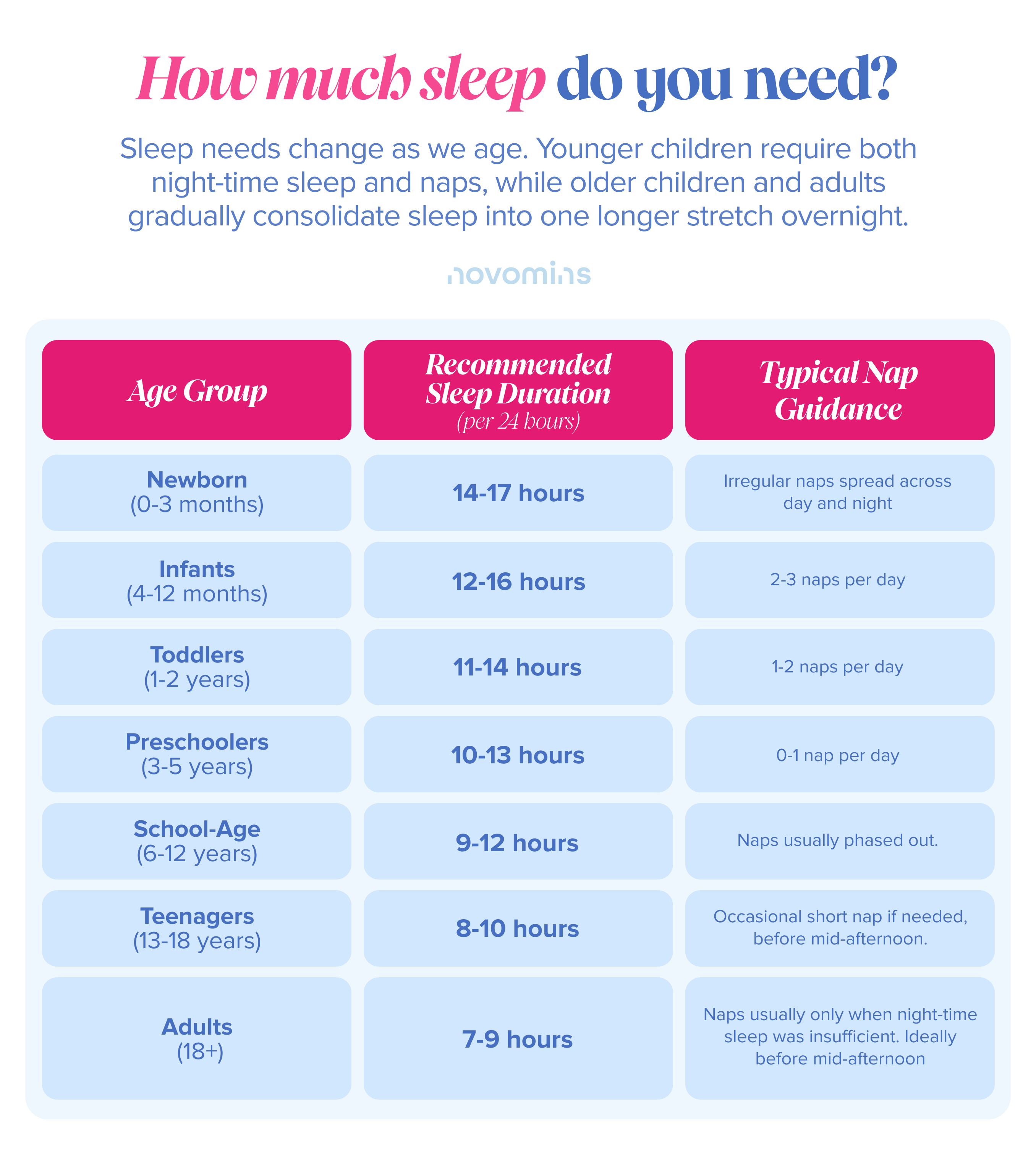
Aim to go to bed and wake up at the same time each day, including weekends where possible. Your body thrives on rhythm. When sleep and wake times are predictable, your internal clock begins to anticipate rest, making it easier to fall asleep naturally.
Counting backwards from your wake-up time helps ensure you are giving your body the opportunity to get enough rest.
2. Optimise Your Sleep Environment
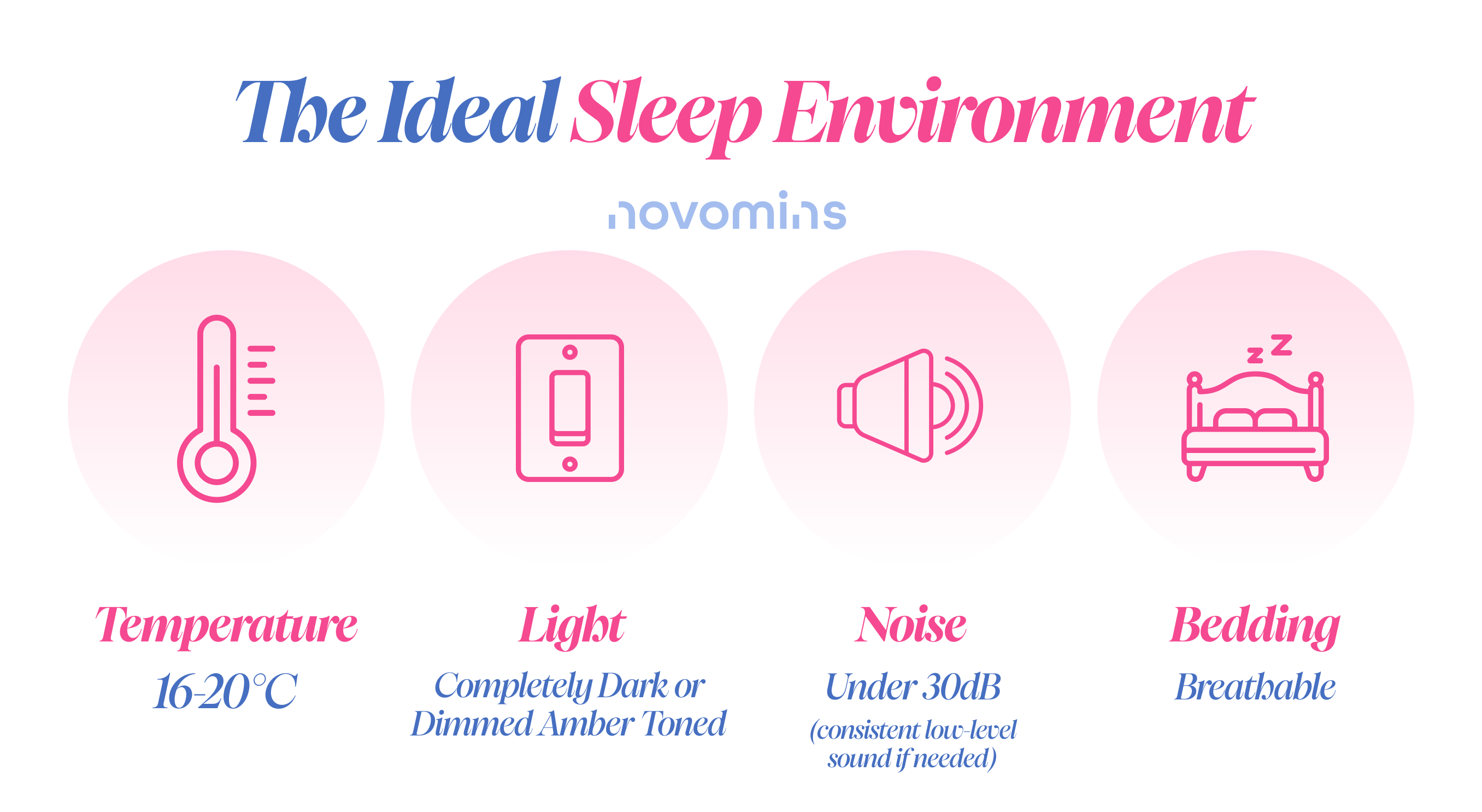
Did you know that the brain needs to drop in temperature to fall asleep? Studies have shown that thermal environment is one of the most important factors in human sleep!
Heat was found to increase wakefulness and decrease both deep sleep and REM sleep cycles.
Try to keep your bedroom cool, calm, and quiet (like a sleep cave). Think closed curtains, breathable bedding and pyjamas.
3. Time Your Exercise Wisely
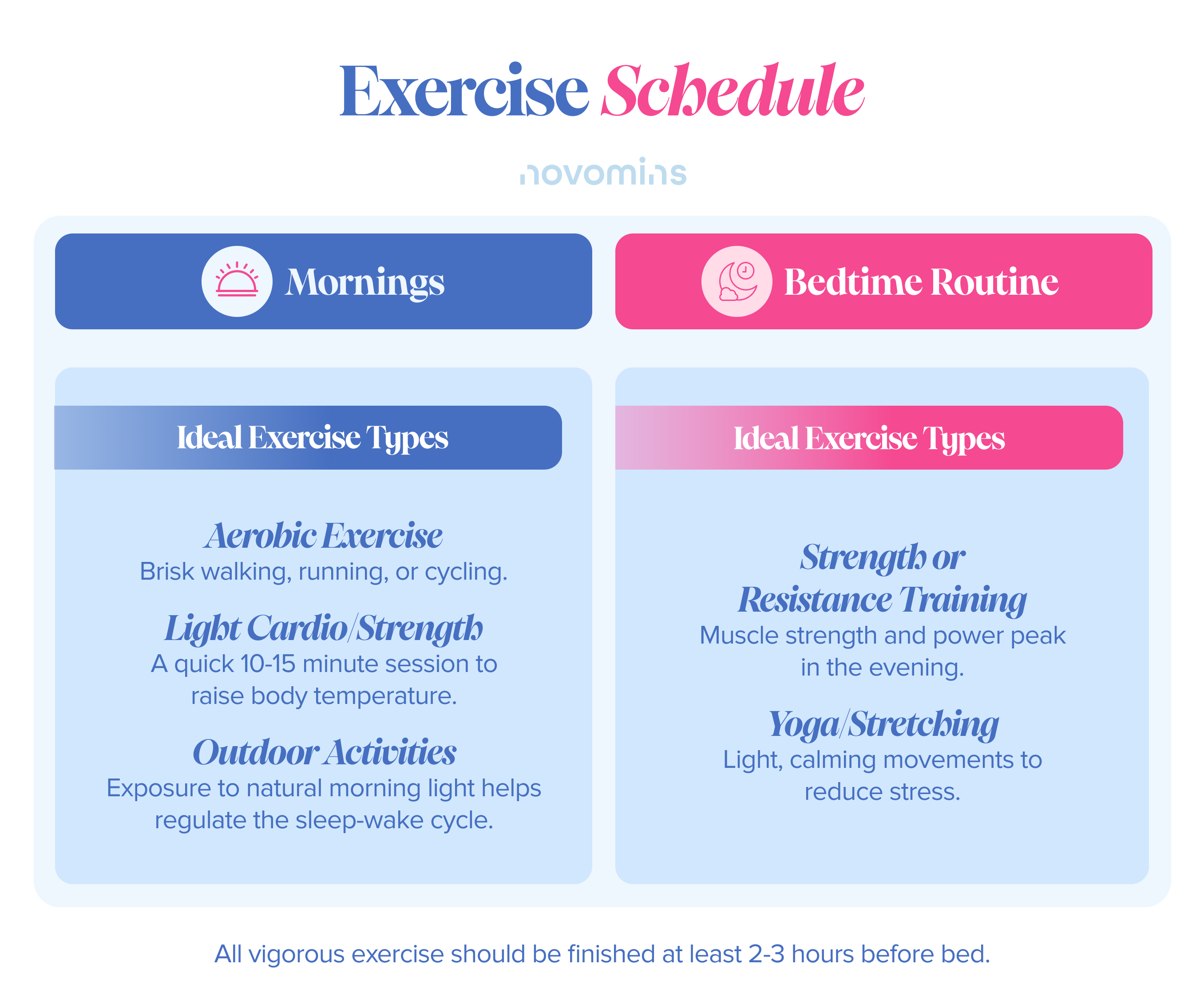
Regular exercise supports sleep, but intense aerobic sessions too close to bedtime can leave the brain stimulated. Aerobic activity releases endorphins, which can increase alertness for several hours.
If possible, schedule higher-intensity workouts earlier in the day and opt for gentler evening movement such as stretching or yoga if you prefer to move later on.
4. Limit Afternoon Caffeine
Caffeine is a stimulant that can stay in the body for hours. Coffee, certain teas, colas, energy drinks, and even chocolate can all contribute to delayed sleep onset.
Switching to herbal tea in the afternoon and evening can help reduce stimulation. It is also helpful to moderate fluid intake close to bedtime to avoid night-time wake-ups for bathroom needs.

5. Avoid Nicotine
Did you know that nicotine is also classified as a stimulant? In fact, studies have shown that more often than not, nicotine causes many smokers to sleep only very lightly. In addition, many smokers often wake up too early in the morning because of withdrawal and cravings.

6. Eat Large Meals Earlier
A light snack before bedtime is perfectly fine, but heavier meals should be eaten at least 2 hours before bedtime. This allows digestion to begin before you lie down and may help reduce discomfort or reflux that can interfere with sleep.
When your body is busy digesting a heavy meal, it is less prepared to fully relax into rest.

7. Support Your Circadian Rhythm
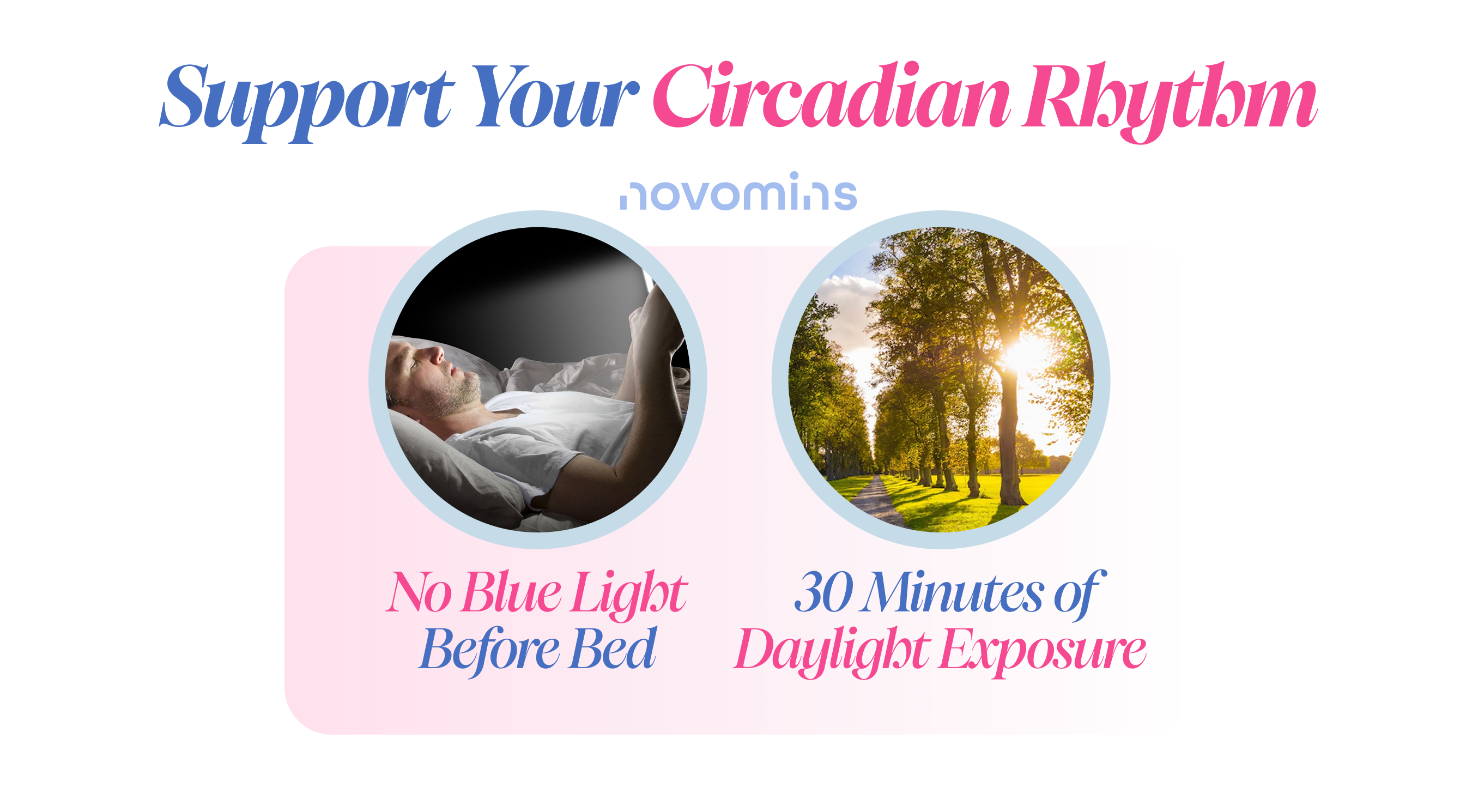
Daylight is key to supporting circadian rhythms (also known as sleep-wake cycles). Spending at least 30 minutes outside during the day, particularly in the morning, can help reinforce natural circadian rhythms.
On the flip side, exposure to bright light (including blue light from devices) has been found to delay sleep onset and disrupt circadian rhythms.
So skip the screens at least 1 hour before bed, and take a walk around the block early in the morning to support both your sleep and your step count goals 😉
8. Create a Familiar Wind-Down Routine
In addition to switching off your devices before bedtime, creating a familiar wind-down routine can help your body "learn" that bedtime is approaching. This can help signal the brain to release melatonin, the hormone responsible for sleep.
Simple rituals such as dimming the lights, reading, gentle stretching, deep breathing, or a warm bath can create a reliable transition from activity to rest.

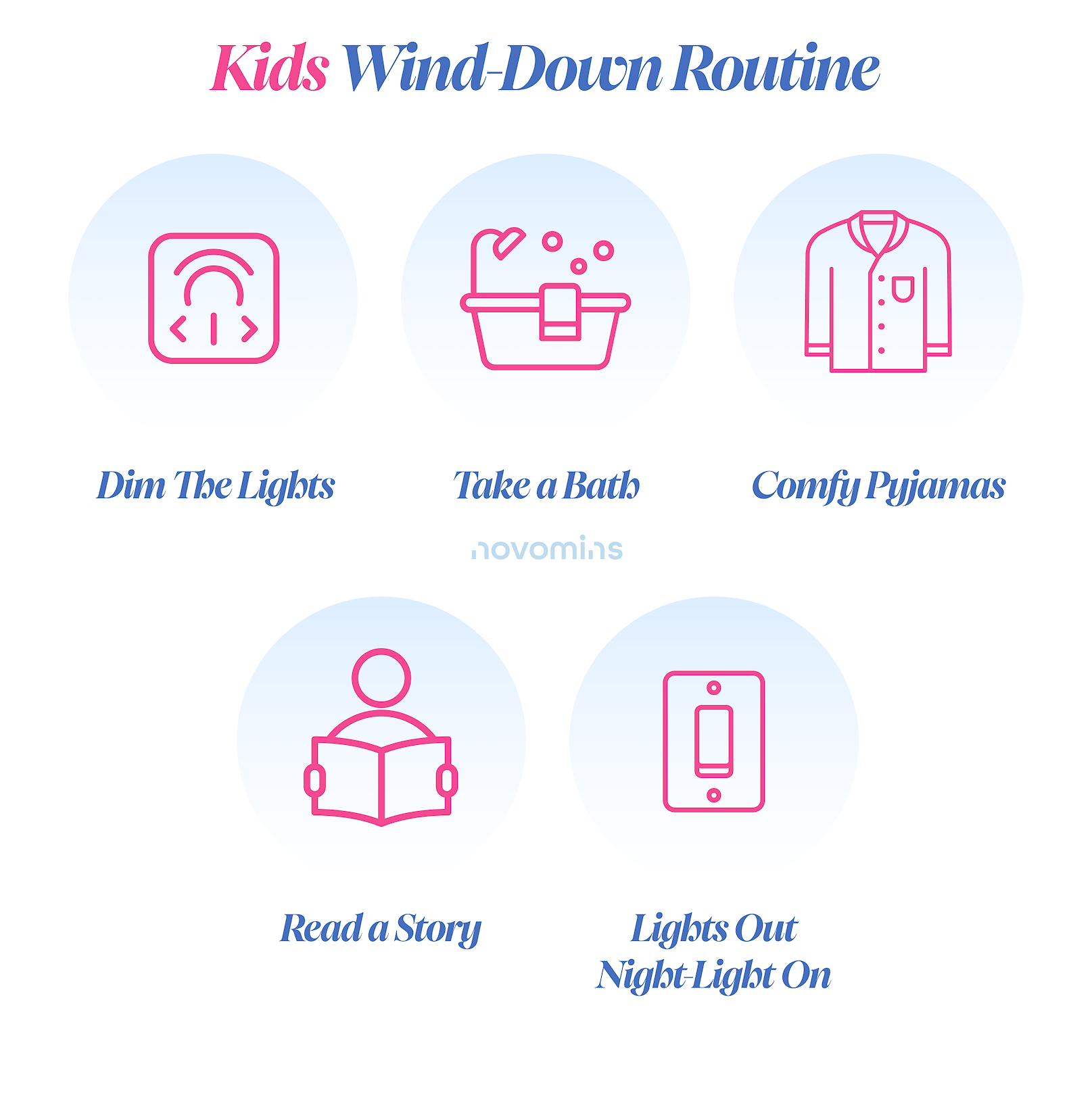
For children, keeping the sequence the same each night, for example bath, pyjamas, story, lights out, provides reassurance and predictability.
Did you know? Studies have found that just 6 minutes of reading can reduce stress levels by up to 68%!
9. Take a Bath Before Bed
This is not only a good part of your wind-down and daily hygiene routine.
Studies have shown that the drop in temperature you experience after getting out of the bath may help you feel sleepy while the time spent inside the bath can help the mind relax and show down priming your body for sleep.
Adding calming elements such as soft lighting or relaxing scents can enhance the sense of winding down, supporting both body and mind to shift into rest mode.

10. Skip the Naps
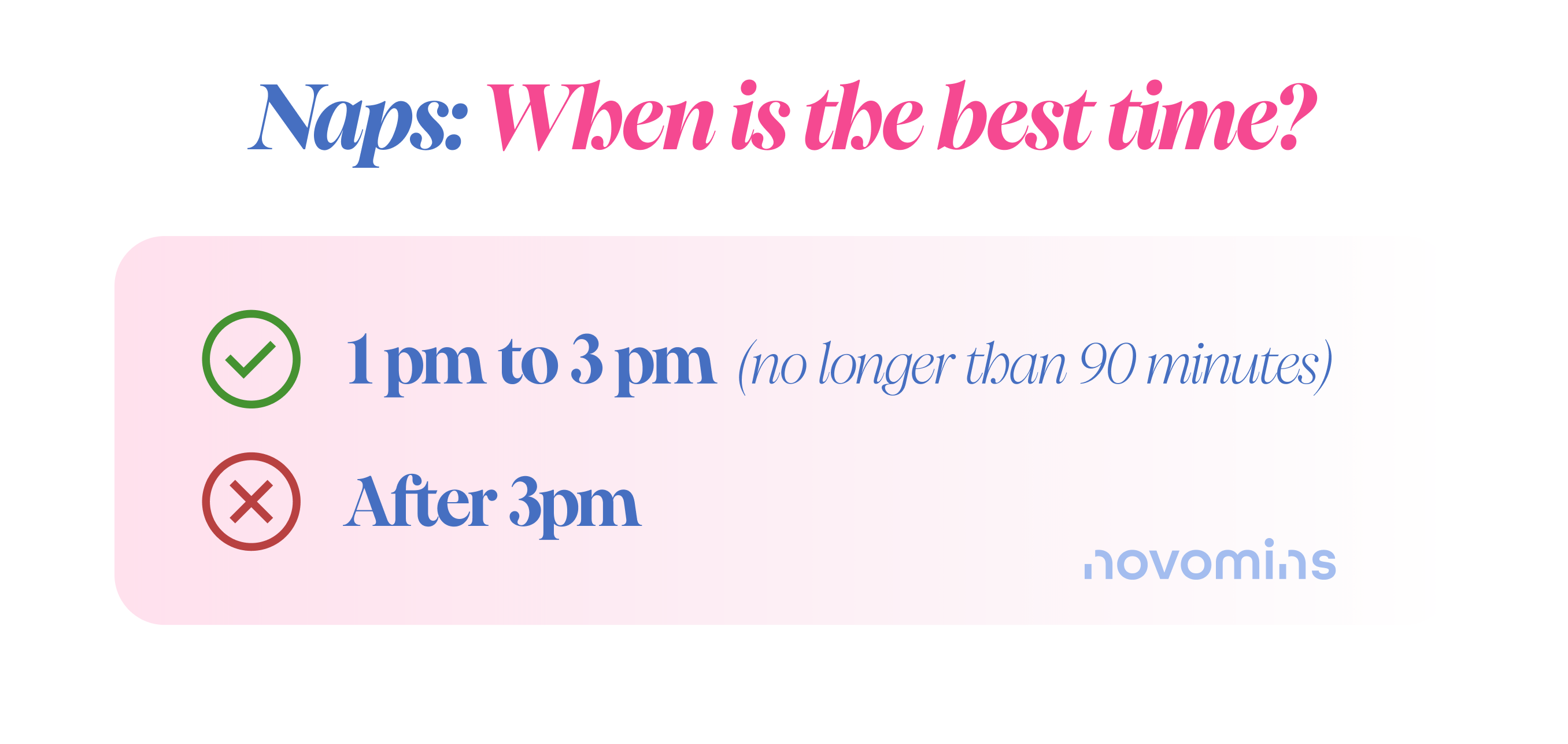
We all love a good nap, but be sure to limit any naps after 3pm. Short naps earlier in the day can be restorative, but long or late afternoon naps may make it harder to fall asleep at night. If needed, aim to keep naps brief and before mid-afternoon to protect your night-time sleep drive.
BONUS TIP: The Basic Sleep Nutrients
Sometimes, despite our best efforts, modern life makes switching off feel difficult. This is where gentle nutritional support can complement healthy sleep habits.
#1: Magnesium

Magnesium contributes to normal psychological function and to normal functioning of the nervous system. It also contributes to the reduction of tiredness and fatigue and to normal muscle function.
Because of its role in nervous system function, magnesium is often included in evening routines designed to support relaxation and readiness for sleep.
That is why Magnesium Gummies form the foundation of both our Adults Bedtime Basics Bundles and Kids Bedtime Basics Bundles.
#2: The Night-Time Blend

Our Night-Time Gummies for adults and Kids Night-time Gummies contain a carefully selected combination of vitamins and minerals.
- 🥱Vitamin B6 and vitamin B12 contribute to normal psychological function and to the reduction of daytime tiredness and fatigue.
- 😀Vitamin B3 contributes to normal psychological function.
- 🧠Zinc contributes to normal cognitive function and to the protection of cells from oxidative stress.
- 🛡️Zinc and vitamin B6 contribute to the normal function of the immune system.
- ⚖️Vitamin B6 contributes to the regulation of hormonal activity.
The formulation is complemented with chamomile, lavender, and lemon balm extracts, botanicals traditionally used in supplements associated with calm and relaxation.
NEW: The Basic Sleep Bundles

We've created 2 new bundles designed to support the foundation of bedtime. Pair them with consistent routines and healthy sleep habits to support an easier transition from busy days to restful nights.
🌙 SHOP ADULTS BEDTIME BASICS BUNDLE
🧸 SHOP KIDS BEDTIME BASICS BUNDLE
Final Thoughts
Sleep is not something we chase. It is something we invite.
When rhythm, environment, light exposure, nourishment, and routine begin to align, the body remembers how to rest.
Whether you are supporting your own wind-down or helping your child settle more peacefully, small, consistent changes can transform bedtime from a nightly struggle into a gentler close to the day.
And sometimes, all it takes is the right routine, repeated with care.
FAQ
What are the best supplements for sleep?
Because of its role in nervous system function, magnesium is often included in evening routines designed to support relaxation and readiness for sleep. Lemon balm and chamomile are also often included in traditional bedtime formulations.
Are naps good or bad?
For babies and young children, naps are developmentally appropriate and support healthy growth. For teens and adults, short naps earlier in the day can be restorative, but long or late afternoon naps may make it harder to fall asleep at night. If napping, aim for 20 to 30 minutes before mid-afternoon.
Does blue light really affect sleep?
Yes. Many studies show that exposure to bright light, especially blue light from phones, tablets, and televisions, can delay the release of melatonin and push back sleep onset. Limiting screen time at least one hour before bed and dimming lights in the evening can support a smoother transition to sleep.
What nutrients are best for sleep?
Certain vitamins and minerals play roles in normal physiological functions that influence overall wellbeing. Vitamin B6 and B12 contribute to normal psychological function and to the reduction of tiredness and fatigue. Zinc contributes to normal cognitive function and to the protection of cells from oxidative stress. Vitamin B6 contributes to the regulation of hormonal activity. These nutrients support normal body functions that are part of a healthy daily rhythm which is why they are included in our Night-time Gummies.
How much sleep do adults really need?
Most adults need between 7 and 9 hours per night. Regularly getting less than this may affect mood, focus, immune function, and overall wellbeing. Individual needs vary slightly, but consistently waking unrefreshed can be a sign that either duration or quality needs attention.
How much sleep do children need?
Children require more sleep than adults, with needs varying by age. Studies show that toddlers may need 11 to 14 hours in a 24-hour period, preschoolers 10 to 13 hours, and school-age children 9 to 12 hours. Adequate sleep supports growth, emotional regulation, learning, and behaviour.
How can I fall asleep faster naturally?
Falling asleep more easily usually comes down to consistency and nervous system regulation. Keeping a regular bedtime, dimming lights in the evening, limiting screens before bed, and creating a predictable wind-down routine may all help signal to the brain that it is safe to rest. Supporting your circadian rhythm with morning daylight and a cool, dark bedroom can also make a noticeable difference.
Why do I feel tired but wired at night?
This often happens when the nervous system has not fully downshifted from the day. Stress, late screen exposure, caffeine, or irregular sleep timing can keep the brain alert even when the body feels exhausted. A consistent wind-down ritual, reduced evening stimulation, and earlier light exposure can help rebalance this pattern.
Disclaimer
This article is intended for general educational purposes only and does not constitute medical advice. Individual sleep needs and health circumstances vary, and the information provided should not replace personalised guidance from a qualified healthcare professional.
If you or your child experience persistent sleep difficulties, underlying medical conditions, or are taking medication, please consult your doctor or healthcare provider before making changes to your routine or introducing supplements.


