




Waking at 3 a.m.? Suddenly dry down there? Period doing whatever she wants? Everyone suddenly annoying you?
You’re juggling work, family, and a brain with 47 tabs open. Now your sleep, mood, and body feel different, too.
“Surely I’m too young?”
Perimenopause can start in your late 30s, years before your periods stop. Here’s how to spot the signs, understand your stage, and give your body some attention.
The Short Answer: Could It Be Perimenopause?
Perimenopause can start in your late 30s, even while you’re still having periods. Brain fog, broken sleep, mood changes, unpredictable cycles, bloating, vaginal dryness, and lower libido can all be part of the picture.
Perimenopause is the transition before menopause. Menopause is reached after 12 consecutive months without a period, when there’s no other explanation.
Targeted supplements could be a helpful part of managing this stage, particularly where they address nutritional gaps, alongside balanced meals, movement, sleep, and recovery.
View as text
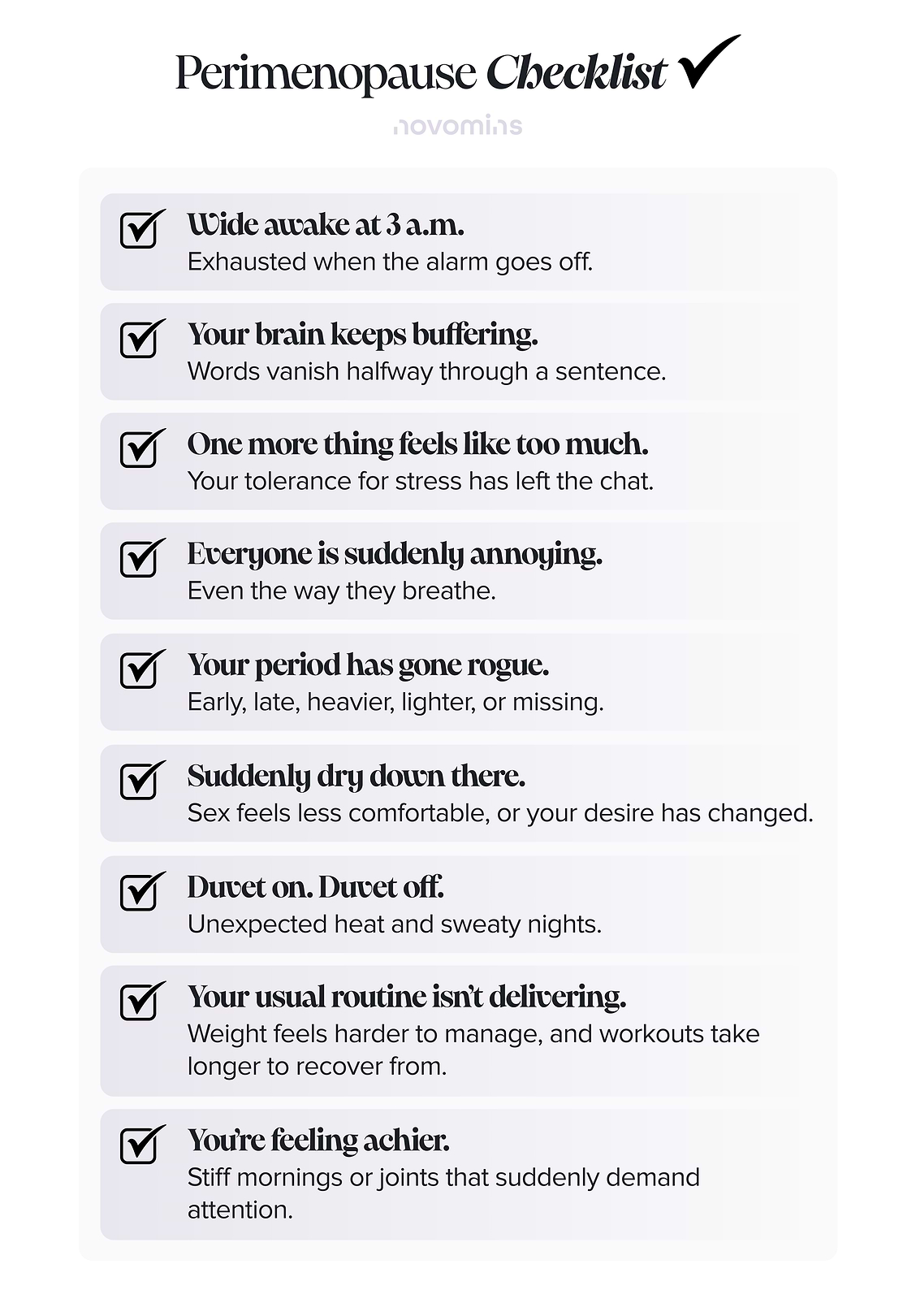
Perimenopause Checklist
-
Wide awake at 3 a.m.
Exhausted when the alarm goes off. -
Your brain keeps buffering.
Words vanish halfway through a sentence. -
One more thing feels like too much.
Your tolerance for stress has left the chat. -
Everyone is suddenly annoying.
Even the way they breathe. -
Your period has gone rogue.
Early, late, heavier, lighter, or missing. -
Suddenly dry down there.
Sex feels less comfortable, or your desire has changed. -
Duvet on. Duvet off.
Unexpected heat and sweaty nights. -
Your usual routine isn’t delivering.
Weight feels harder to manage, and workouts take longer to recover from. -
You’re feeling achier.
Stiff mornings or joints that suddenly demand attention.
Ticked a few? Perimenopause could be part of the picture, even in your 30s and while you still have periods.
Perimenopause vs menopause: what’s the difference?
The words often get used interchangeably, but they describe different stages.
|
Stage |
What it means |
What you might notice |
|
Perimenopause |
The transition leading up to menopause, when reproductive hormones fluctuate. |
Changing periods, sleep disruption, mood changes, hot flushes, or other symptoms. |
|
Menopause |
The point reached after 12 consecutive months without a period, when there is no other explanation. |
Your periods have stopped, although symptoms may continue. |
|
Postmenopause |
The years after menopause. |
Some symptoms settle, while others may persist. Long-term bone and heart health remain important. |
Perimenopause most commonly begins in the 40s, but it can start as early as your 30s. Having periods does not rule it out.
Perimenopause Symptoms: What Helps When You Don’t Feel Like Yourself?
During perimenopause, oestrogen fluctuates and falls, supporting your bones, muscles, and everyday wellbeing becomes increasingly important.
While demand for calcium, vitamin D, and protein rises, demand for iron may fall if you stop having periods. Or if heavy periods start making their appearance during perimenopause, your iron needs may increase even further.
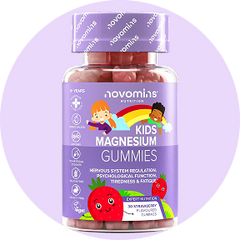
Magnesium deserves a place in the conversation, too. It supports normal muscle and nervous system function, bone maintenance, and the reduction of tiredness and fatigue. If your diet falls short, addressing that gap is a useful part of supporting yourself through this stage.
Give your changing nutritional needs practical attention and choose supplements according to what they actually support.
You don’t have to just grin and bear it. Give your changing body the support it deserves.
Perimenopause Stress and Mood Changes: Why Everything Feels Too Much
The school message. The deadline. Someone asking what’s for dinner. Suddenly, you’re at capacity.
Hormonal fluctuations and poor sleep can make everyday pressures feel harder to manage. Irritability, anxiety, and emotional overload can leave you wondering where your usual patience went.
📍Start here: Eat regularly, protect small pockets of downtime, and reconsider how much caffeine you’re using to get through the day. Include a protein source at each meal, such as eggs, yoghurt, tofu, fish, or beans. This helps you meet your protein needs and supports muscle maintenance, particularly alongside strength training.
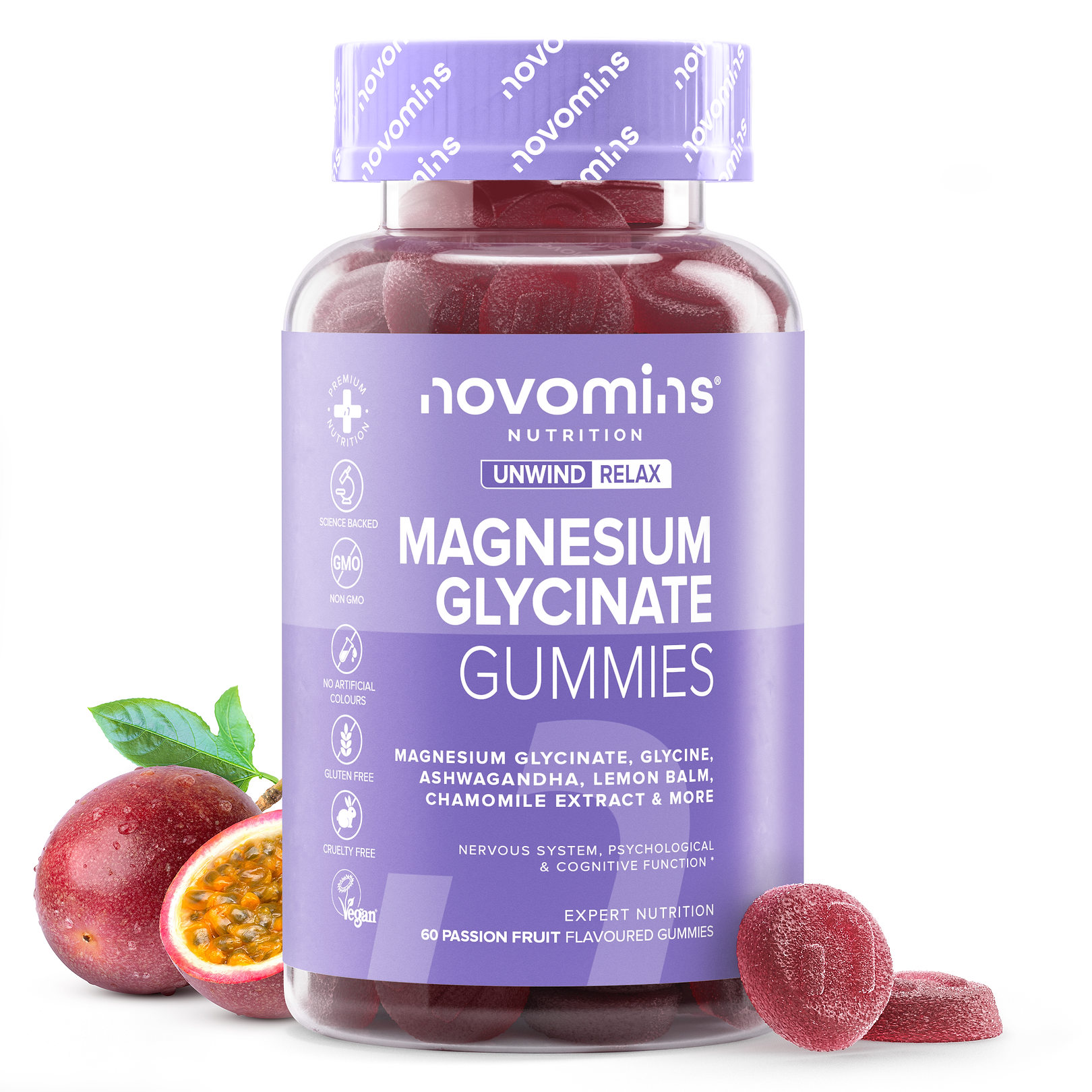
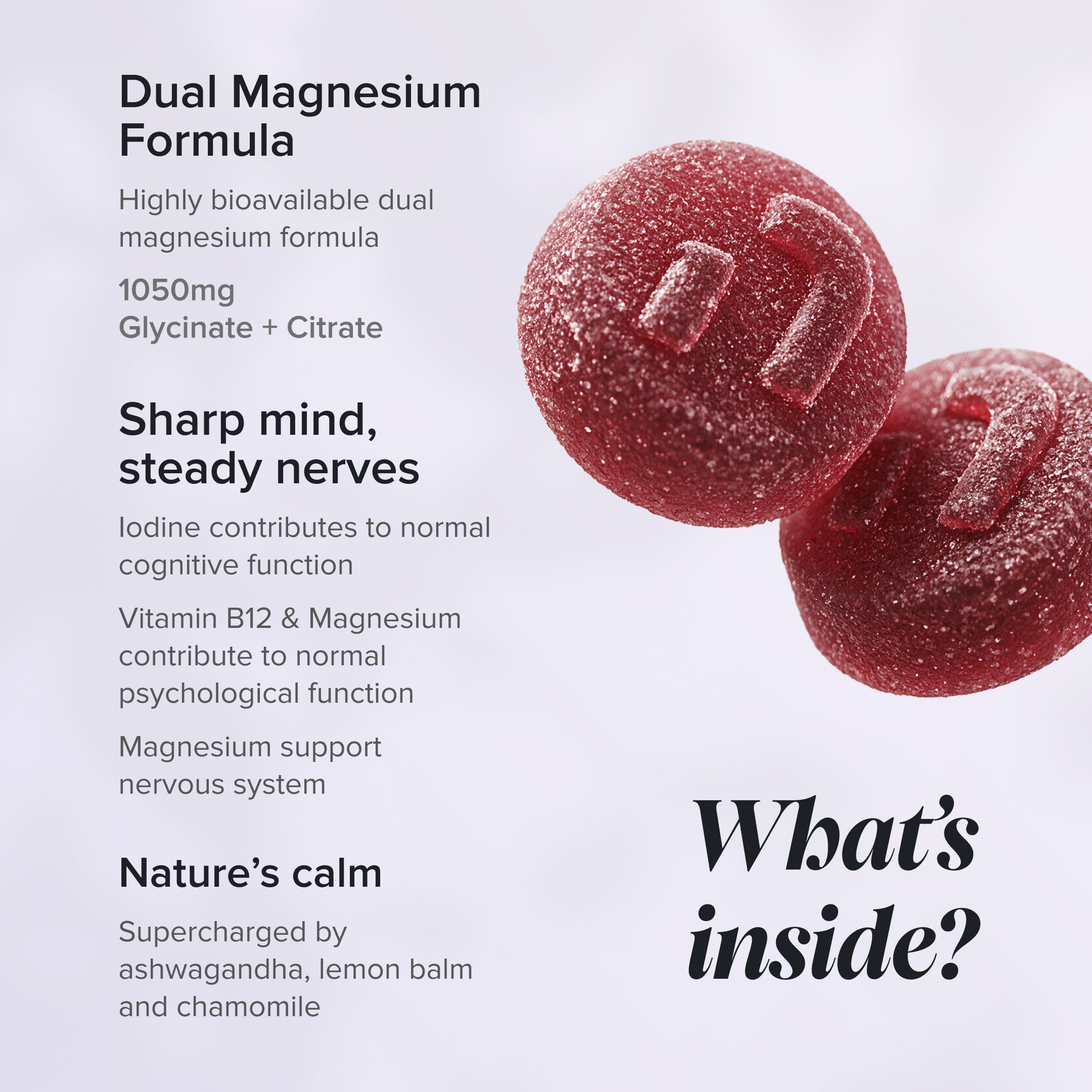
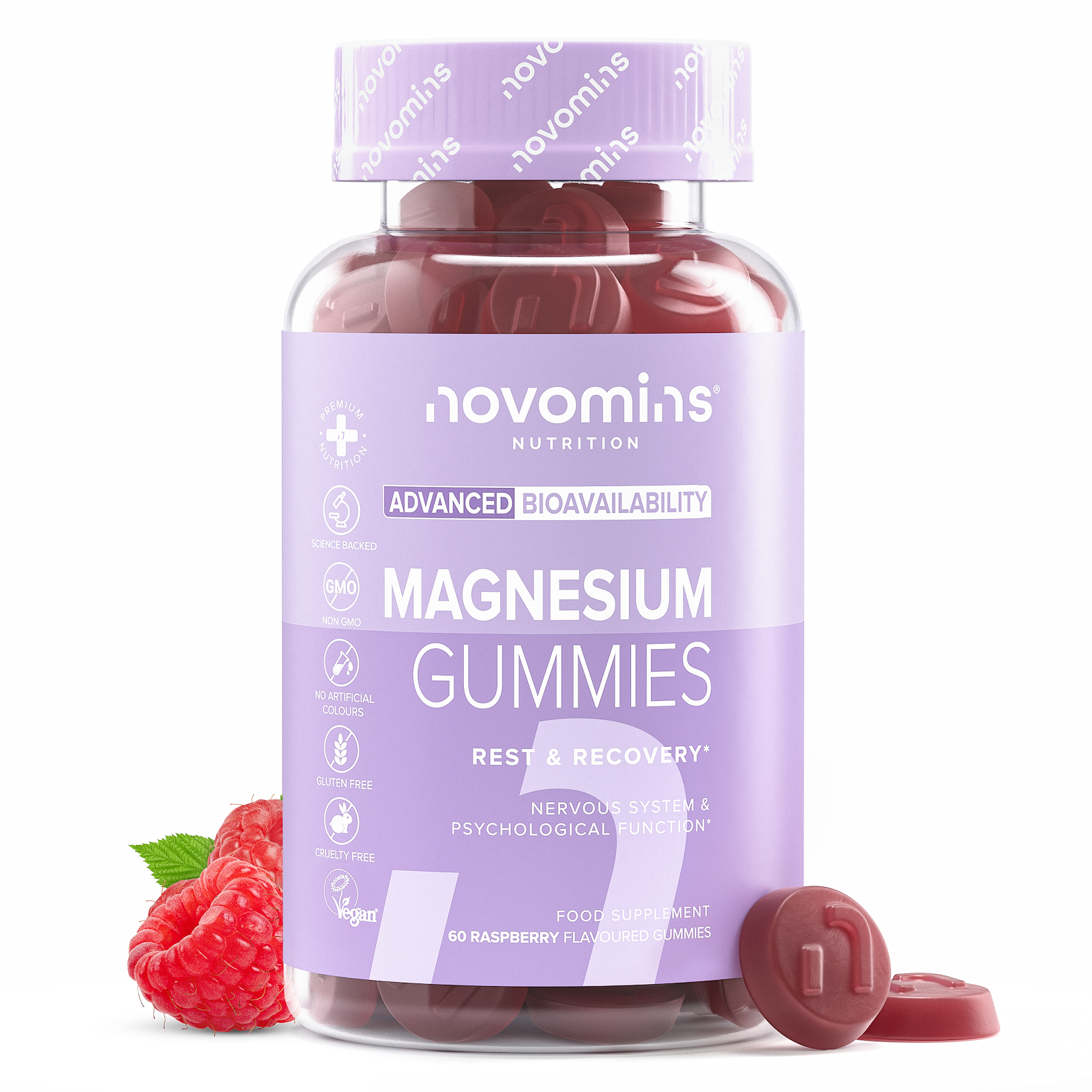
🍬 Supplement to consider: Novomins Magnesium Glycinate Gummies. Magnesium contributes to normal psychological function and normal nervous system function. The added glycine and calming botanicals can help bring on a calm state of mind and a balanced mood.
|
|
View as text
|
Perimenopause Brain Fog: When Your Brain Keeps Buffering
You’ve opened the email three times. Still haven’t absorbed a word.
Difficulty concentrating and losing your train of thought can happen during perimenopause. Sleep disruption and stress can add to the fog.
📍Start here: Eat a proper breakfast, take breaks from constant task-switching, and keep notes without judging yourself for needing them. Include B12 sources such as eggs, dairy, fish, meat, or fortified alternatives.
🍬 Supplement to consider: Review your B12 intake, particularly if you eat little or no animal-derived food. B12 deficiency can cause cognitive symptoms and may need testing and specific treatment. Novomins’ Perimenopause and Menopause formulations both include B12.
|
|
|
Perimenopause Sleep Problems: Wide Awake at 3 a.m.
Your body wants sleep. Your brain wants to review your entire life.
Broken sleep can leave you tired, irritable, and less able to cope the next day.
📍Start here: Keep your bedroom cool, aim for consistent waking times, and review afternoon caffeine and evening alcohol. Give yourself a wind-down period that doesn’t involve answering tomorrow’s emails.
🍬 Supplement to consider: Check whether your diet provides enough magnesium through nuts, seeds, beans, wholegrains, and leafy greens. A magnesium supplement can help fill an intake gap.
|
|
|
Perimenopause Bloating: Why Your Belly Feels Puffier
Comfortable jeans at breakfast. Waistband negotiations by lunch.
Bloating, constipation, and slower gut transit can occur during the menopause transition. Diet, stress, medication, and other digestive conditions can also contribute.
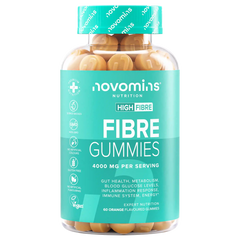
📍Start here: Eat regularly, drink enough fluids, and increase fibre gradually. Try oats at breakfast, lentils in a soup, or beans added to a salad. A walk after meals is an easy way to add movement.
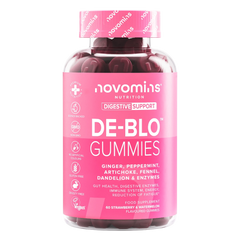
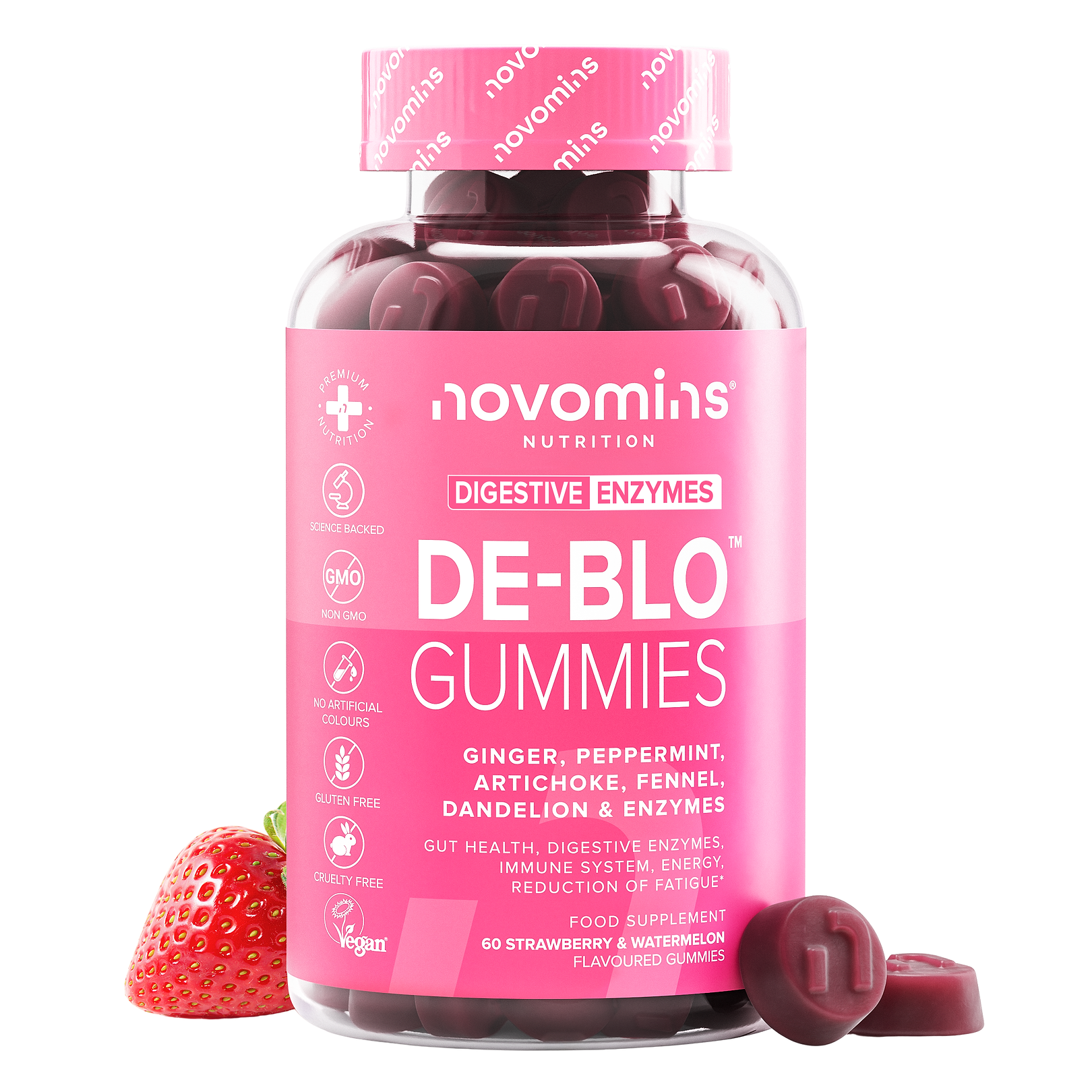
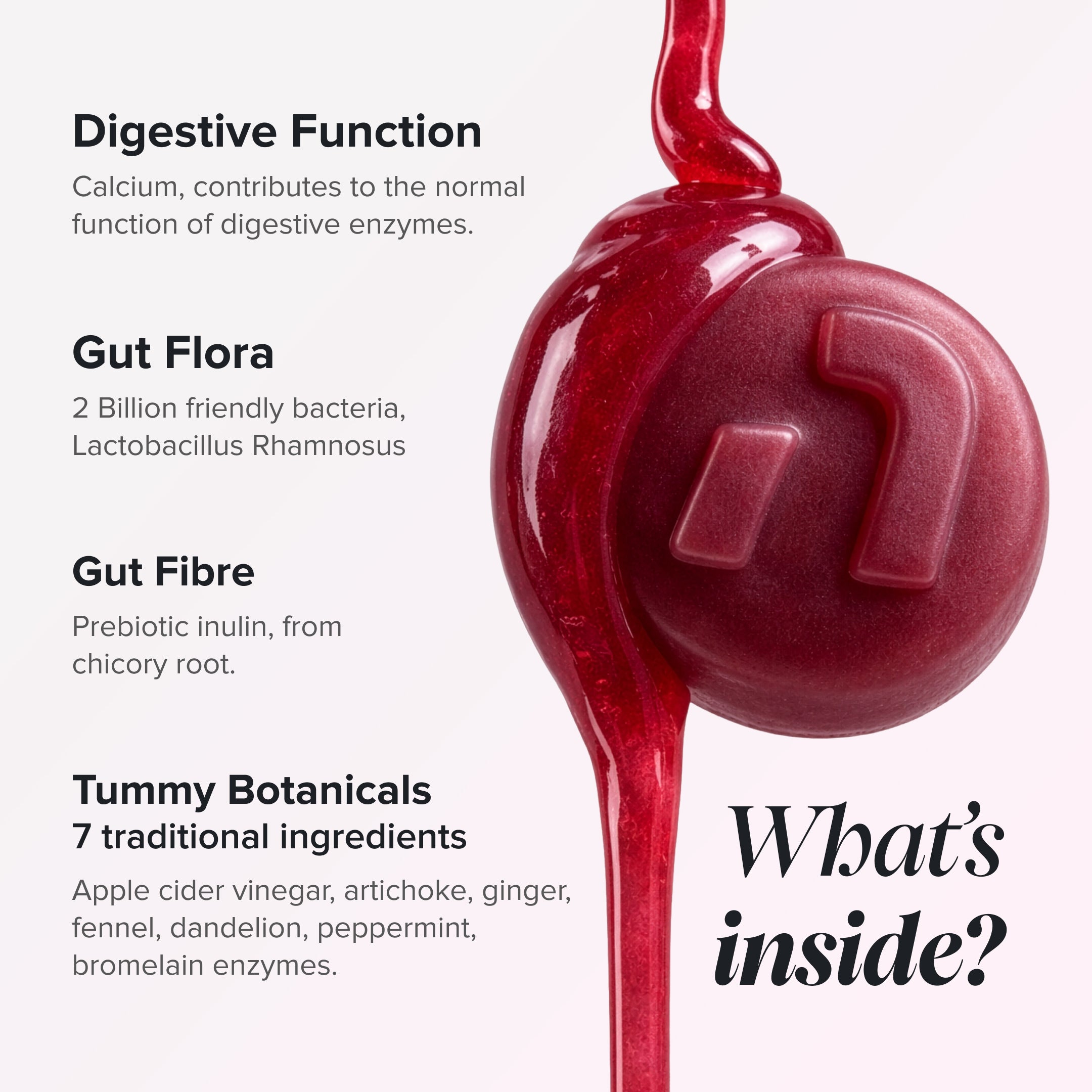
🍬 Supplement to consider: Novomins De-Blo Gummies are formulated with 2 billion friendly gut bacteria, bromelain enzymes, prebiotic inulin fibre, apple cider vinegar, and five botanical extracts for a happy gut and an all-day snatched feeling.
|
|
View as textWhat's inside?
|
Perimenopause Weight Changes: When Your Old Routine Stops Working
Eating less. Training harder. Getting more frustrated.
Changes in sleep, appetite, muscle mass, hormones, and daily activity can all influence your body. Cutting meals while increasing workouts may leave you poorly fuelled.
📍Start here: Include protein at every meal and strength training in your week. Protein supplies the building blocks for muscle maintenance and repair; spreading it across meals helps you avoid relying on dinner for most of your intake.
Think yoghurt or eggs at breakfast, beans or chicken at lunch, and tofu or fish at dinner. Add carbohydrates, vegetables, and fats rather than turning every meal into a protein-only project.
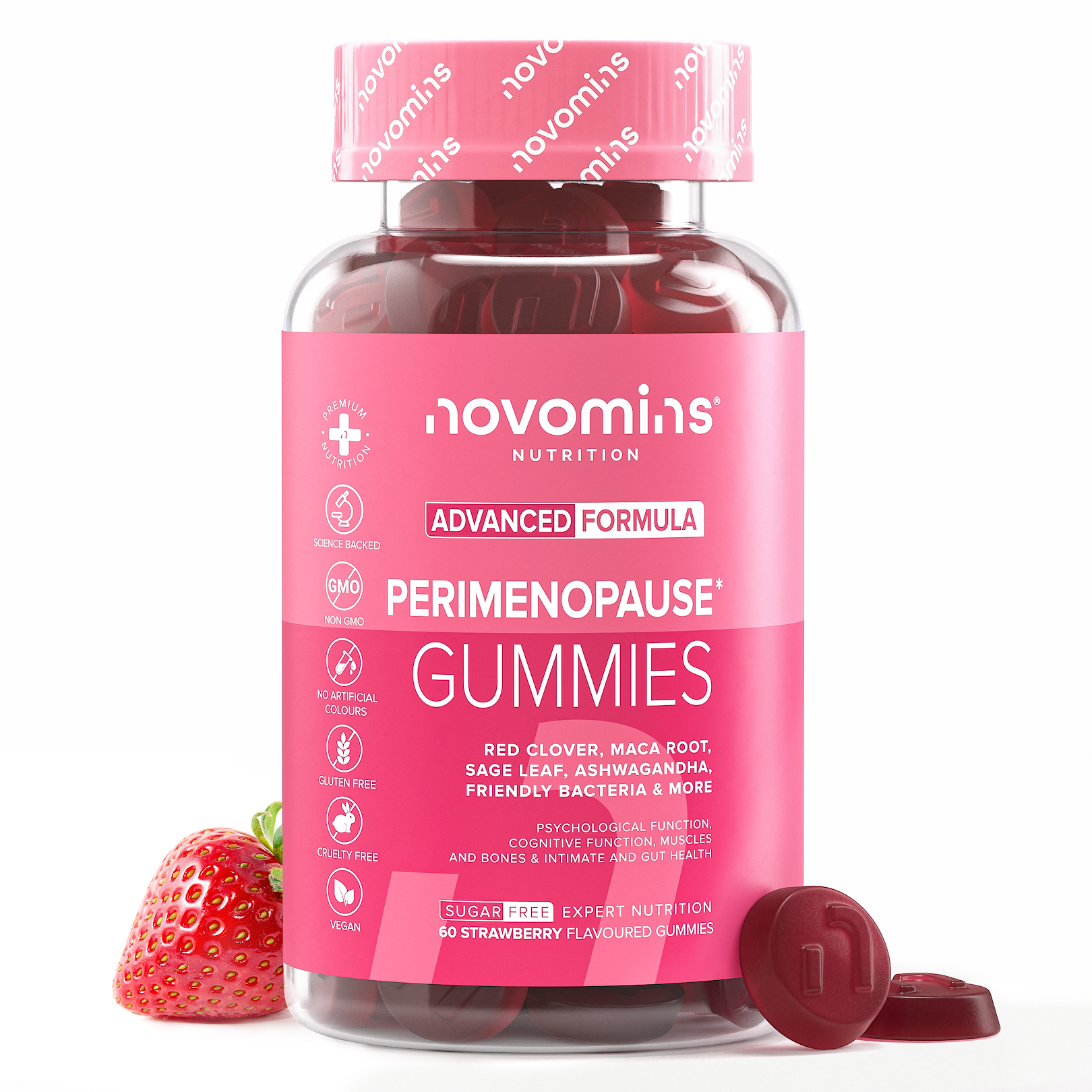
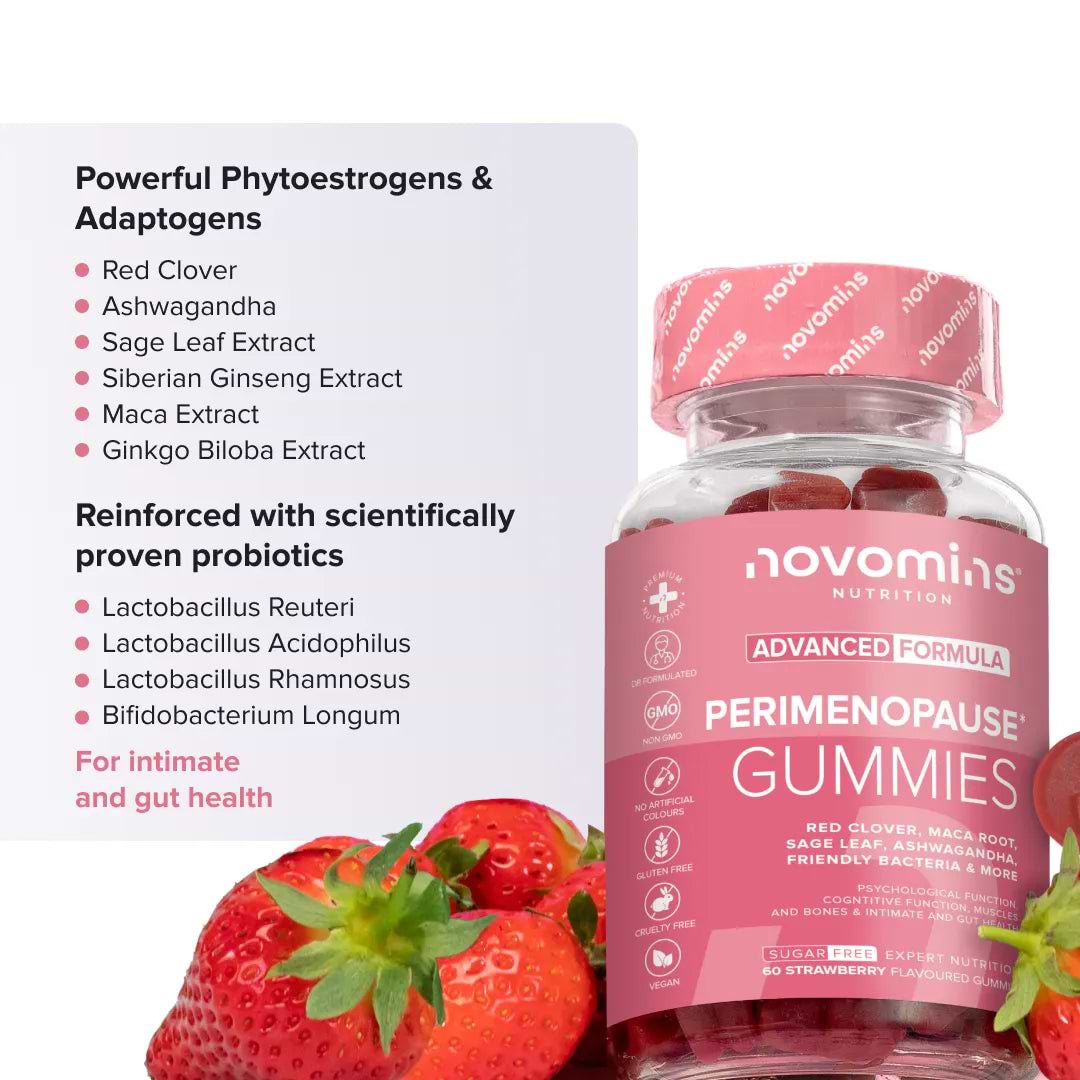
🍬 Supplement to consider: Novomins Perimenopause Gummies are specifically formulated for women, featuring a premium blend of vitamins, minerals, botanicals, and gut-friendly bacteria to reduce fatigue and support hormonal balance.
|
|
|
Bone Health in Perimenopause: Calcium, Vitamin D, and Gym Recovery
Perimenopause changes the rules. Fuel your body for where it is now, not where it was five years ago.
As hormones shift, nutrition deserves extra attention for maintaining bone and muscle health. Reaching your fitness goals takes more than another workout. Your body needs enough food, the right nutrients, and time to recover.
Suddenly increasing high-impact workouts without enough food or recovery can raise stress-fracture risk. These injuries can happen before older age. Ignoring pain can worsen an injury and, in complicated cases, lead to lasting discomfort or limitations.
📍Start here: Increase training gradually, schedule recovery, and make calcium-rich foods a daily habit. Try yoghurt, calcium-fortified plant drinks, calcium-set tofu, or fish with edible bones.
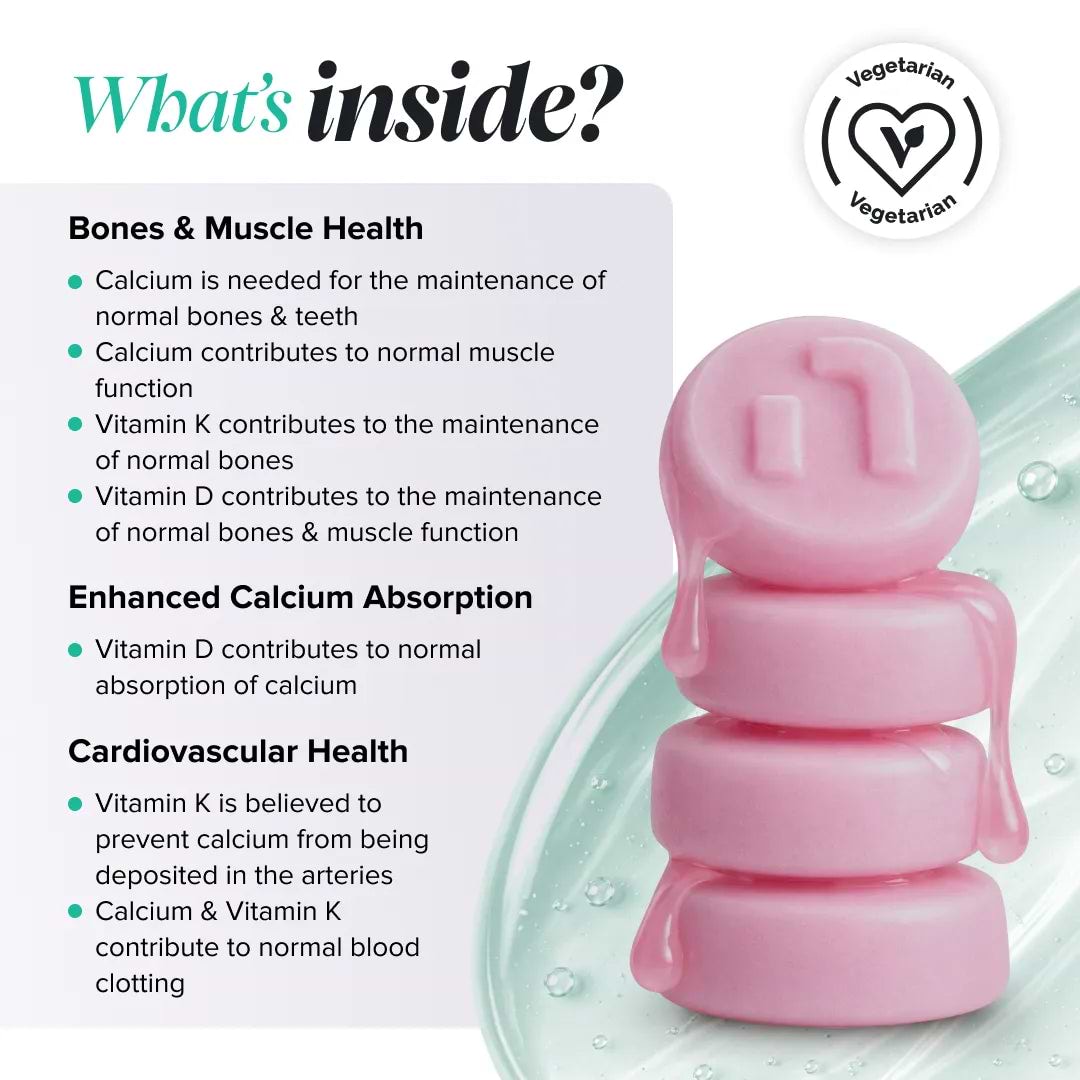
Calcium helps maintain bones, while vitamin D helps your body absorb it. Most UK adults need 700 mg of calcium daily.
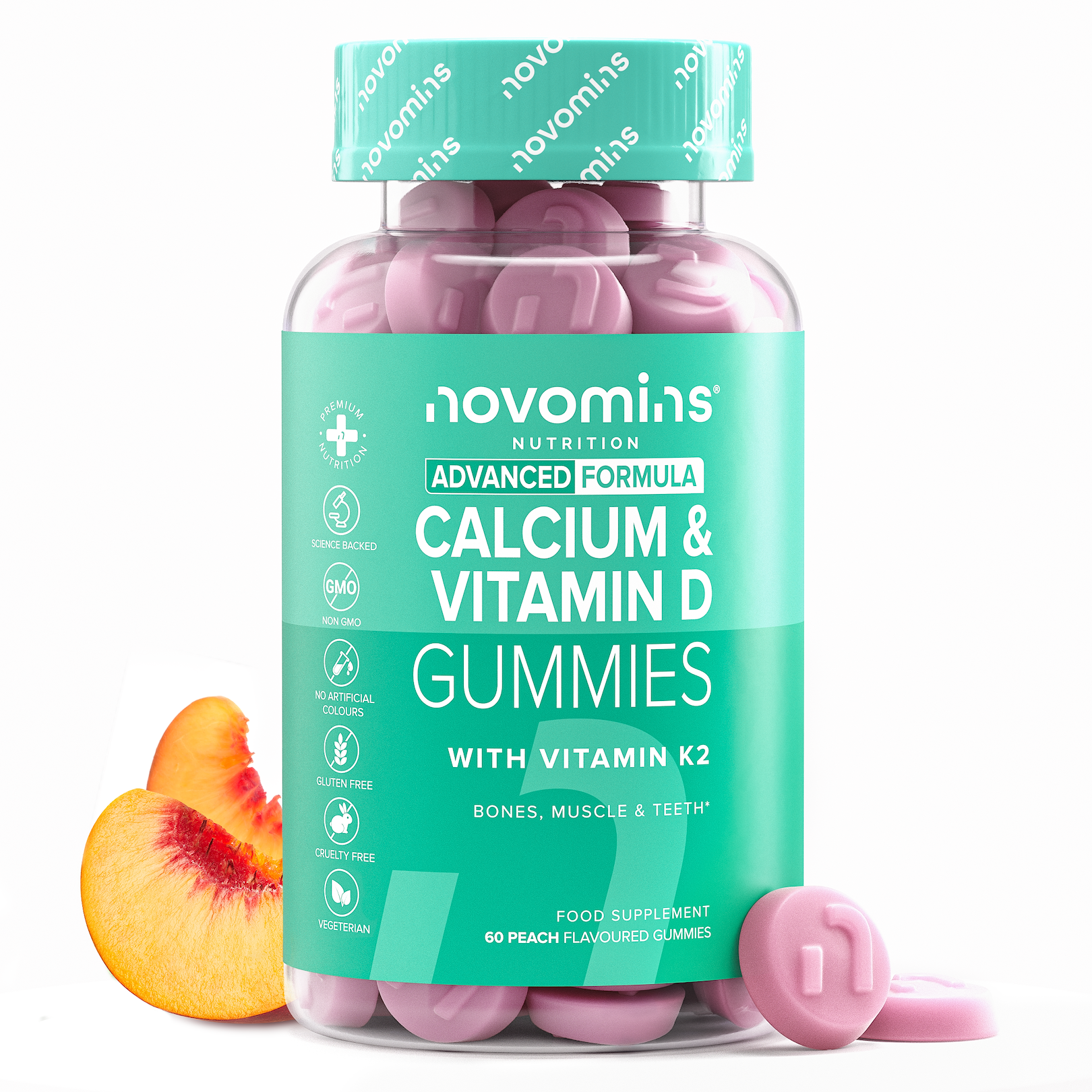
🍬 Supplement to consider: Novomins Calcium & Vitamin D Gummies are expertly formulated to support healthy bones, muscles, and teeth.
|
|
View as textWhat's inside? Bones & Muscle Health
Enhanced Calcium Absorption
Cardiovascular Health
|
Vaginal Dryness in Perimenopause: When Intimacy Changes
You want closeness. You don’t want discomfort.
Dryness can make sex uncomfortable, while tiredness, stress, hormonal changes, and relationship factors can affect desire.
📍 Start here: Use a water-based lubricant for sex and consider a vaginal moisturiser for ongoing dryness. Talk about what feels comfortable, take pressure off penetration, and seek advice if symptoms persist. Vaginal oestrogen may be an option.
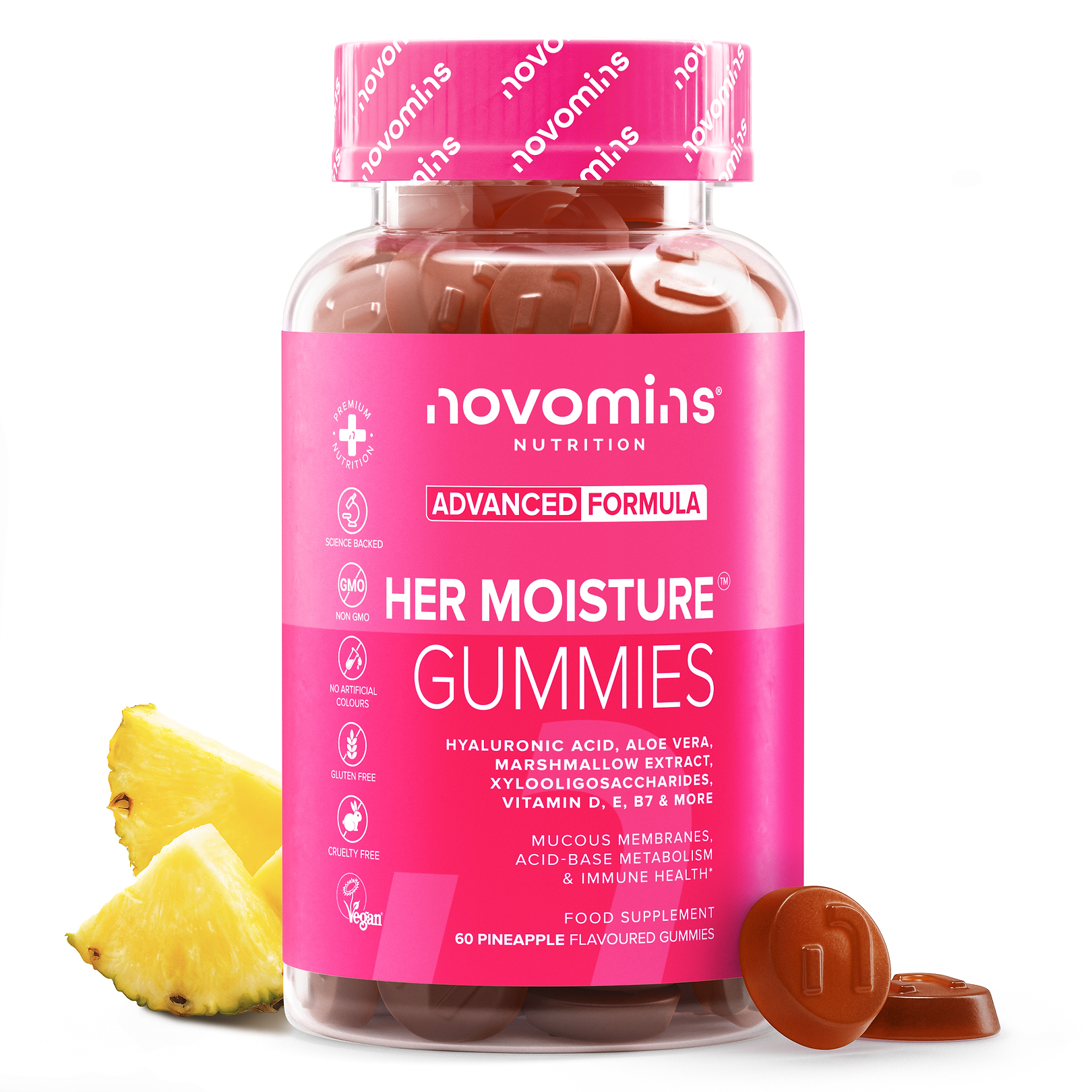
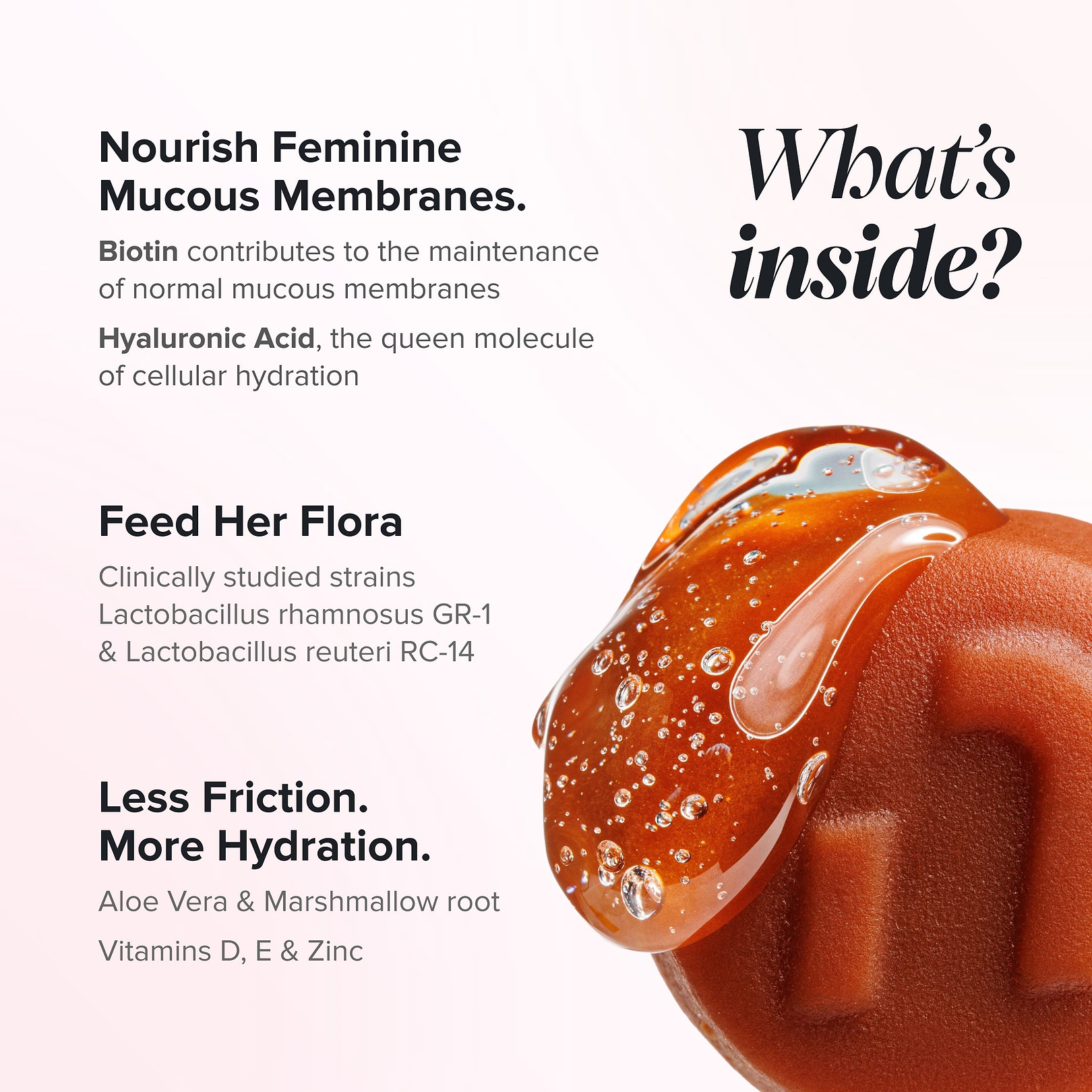
🍬 Supplement recommendation: Novomins Her Moisture Gummies combine clinically researched mucosal-supporting and hydrating ingredients in 2 delicious pineapple-flavoured gummies.
|
|
View as textWhat's inside?
|
Low Libido in Perimenopause: When Your Desire Has Left the Chat
You love them. You just don’t want anyone touching you after a day of being needed by everyone.
Hormonal changes, stress, poor sleep, and discomfort can all affect your sex drive. Lower desire doesn’t automatically mean something is wrong with your relationship.
📍 Start here: Take pressure off performance, talk about what feels good, and make space for closeness without an expectation of sex. Address dryness or pain, and protect downtime that actually belongs to you.
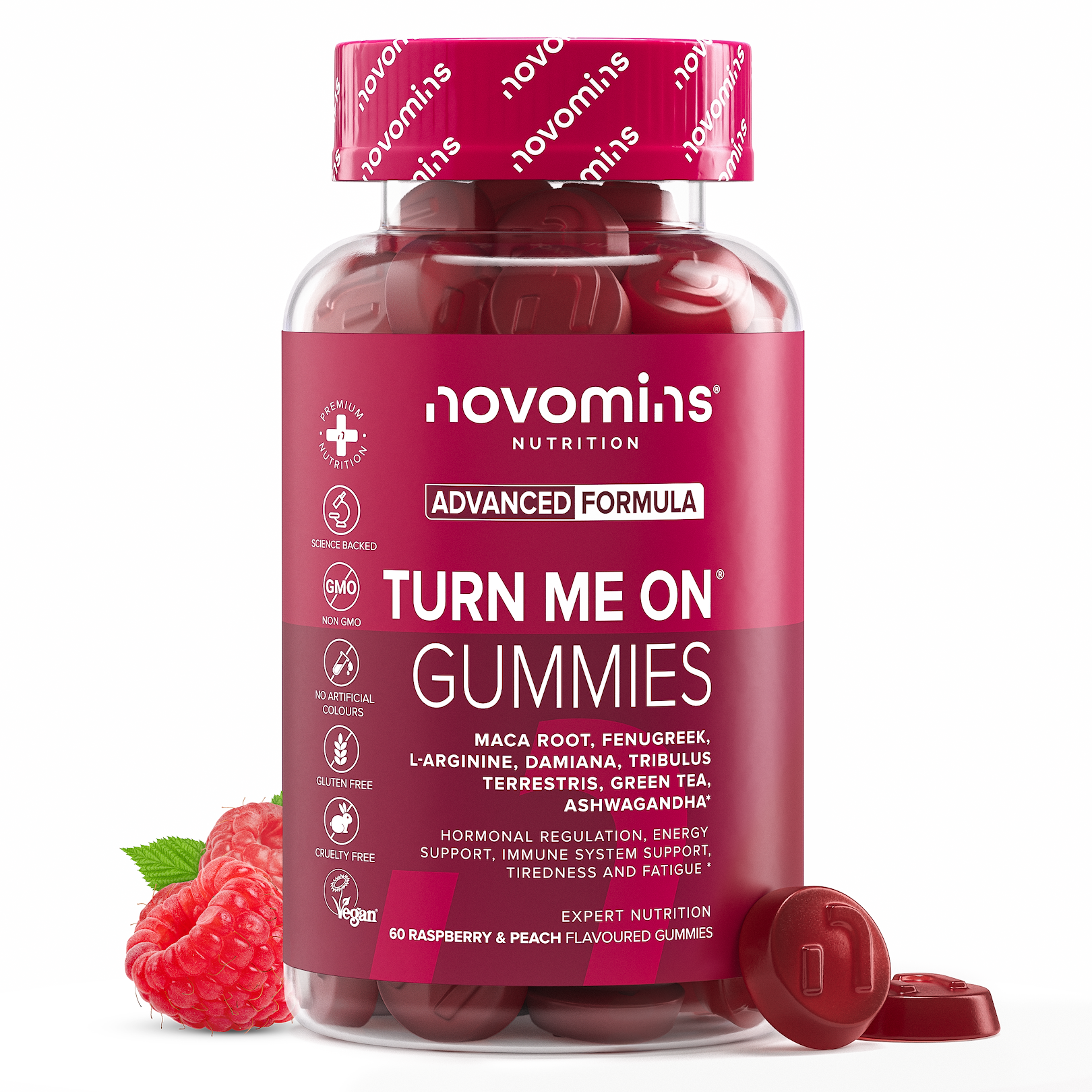
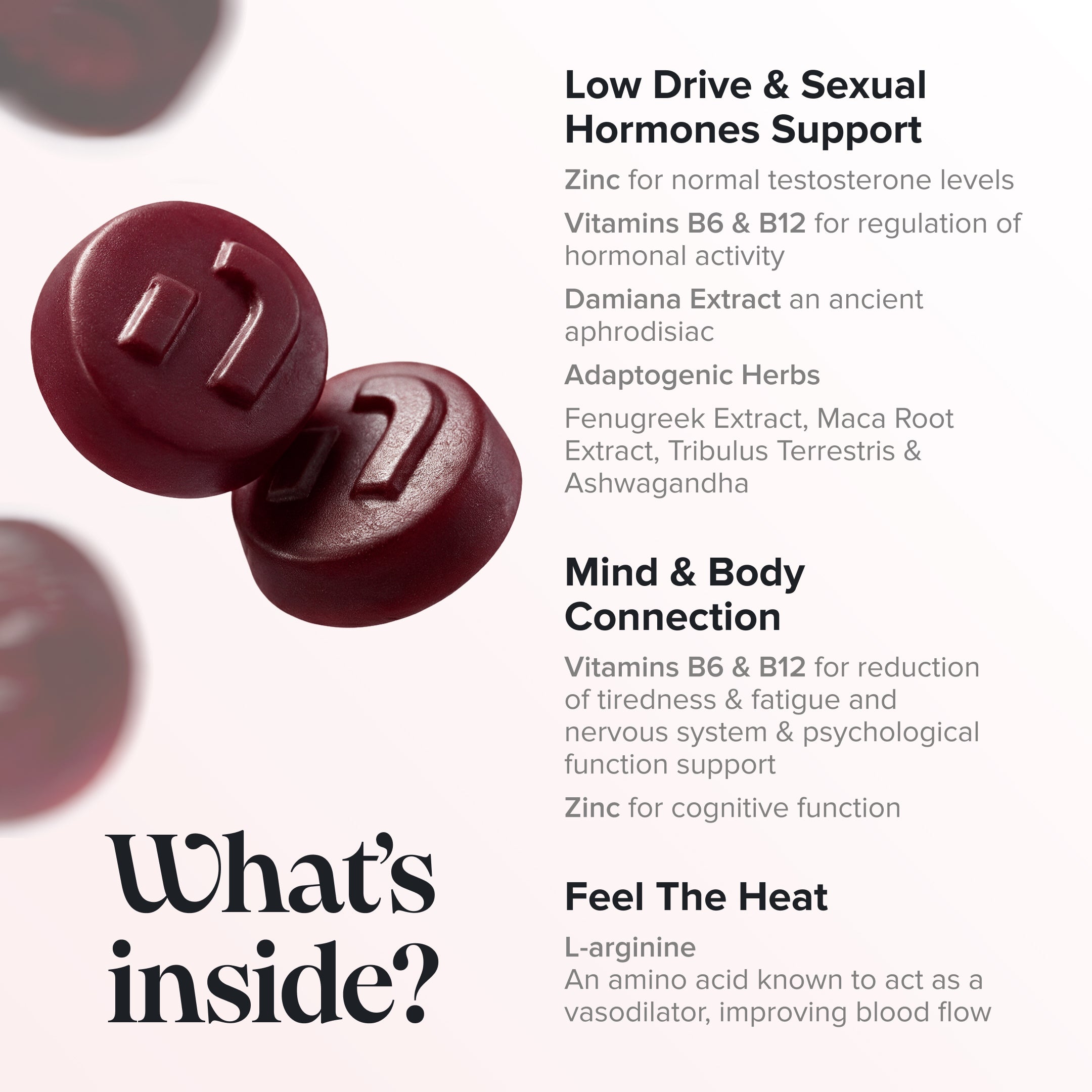
🍬 Supplement to consider: Explore Novomins Turn Me On Gummies formulated with science-backed ingredients to support hormonal regulation and reduce tiredness and fatigue.
|
|
View as textWhat's inside? Low Drive & Sexual Hormones Support
Mind & Body Connection
Feel The Heat
|
Novomins Perimenopause or Menopause Gummies: Choose Your Nutritional Starting Point
For the transition: Novomins Perimenopause Gummies offer a sugar-free blend with red clover, botanicals, friendly bacteria, B6, B12, zinc, vitamin D, and K2.
View as text
Why D and K2 together?
Vitamin D helps your body absorb calcium, while K2 helps activate proteins involved in bone mineralisation and regulating calcium deposits in blood vessels. Both contribute to maintaining normal bones, making them a thoughtful pairing as bone health deserves greater attention during perimenopause.
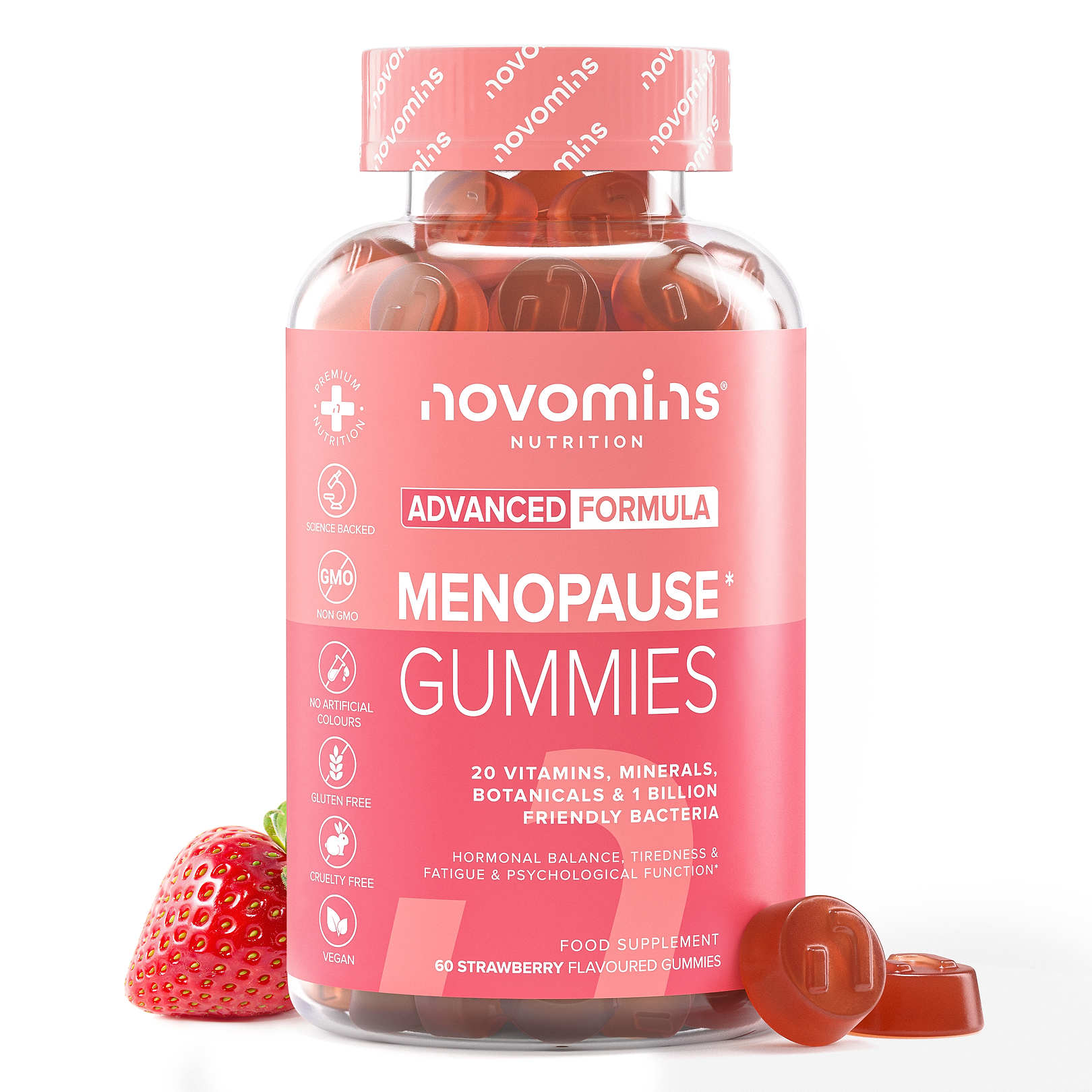
For the menopause stage: Novomins Menopause Gummies combine vitamins, minerals, and botanicals, including sage, ashwagandha, and maca, with 1 billion friendly bacteria per serving.
Start with your needs. Build a routine you understand. Give it room alongside proper meals and time to recover mind and body.
TL;DR: Could It Be Perimenopause?
- Still having periods? Perimenopause can start in your late 30s, before your periods stop.
- Sleep, brain fog, stress, bloating, dryness, and libido changes can all enter the picture. A changing pattern deserves attention.
- Perimenopause is: the transition period leading up to menopause. It can last several years.
- Menopause is: 12 consecutive months without a period, when there’s no other explanation.
- Feed your body, don’t just push it harder. Include protein at every meal, eat regularly, and make room for recovery.
- Think bones now. Calcium and vitamin D matter before menopause, too.
- Choose support around your needs. Supplements can complement nutrition; persistent symptoms deserve a conversation with your GP.
Stop Putting Yourself Last
You’ve made the appointments. Answered the emails. Remembered everyone’s favourite snacks. Now give your own changing body that same attention.
The broken sleep. The shorter fuse. The uncomfortable sex. The feeling that you’re doing everything you used to, but it’s taking twice as much out of you.
You don’t have to shrug it off as “just getting older.”
Track the changes. Ask the questions. Eat properly. Make recovery part of the plan. Choose nutritional support that fits your stage.
You don’t have to wait until your periods stop to start taking yourself seriously.