





When allergies flare or breathing feels tight, your first instinct is often to manage the moment. But what if part of the support starts much earlier, at the level of daily nutrition?
For many people, asthma and allergies are not occasional inconveniences. They shape routines, influence seasons, and quietly dictate what feels comfortable or manageable day to day.
While medication remains essential for many, there is growing interest in how consistent nutritional support may play a complementary role in overall wellbeing.
One nutrient that continues to stand out in this conversation is vitamin C.
What causes allergies and asthma?
In simple terms, both conditions involve an overactive or sensitive immune response within the body.
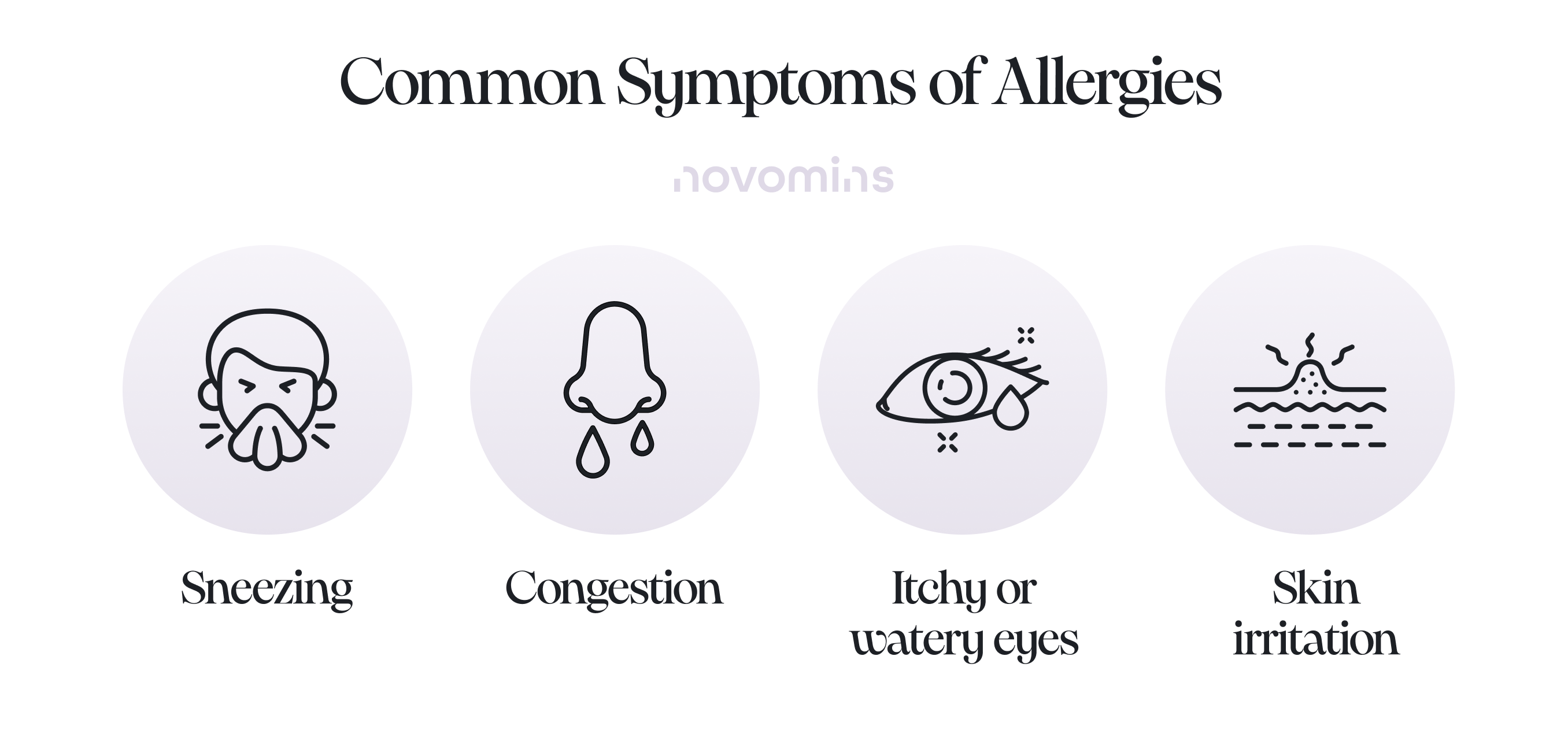
Allergies occur when the immune system reacts to substances that are typically harmless, such as pollen, dust, or certain foods. This response triggers the release of histamine, which is responsible for familiar symptoms like:
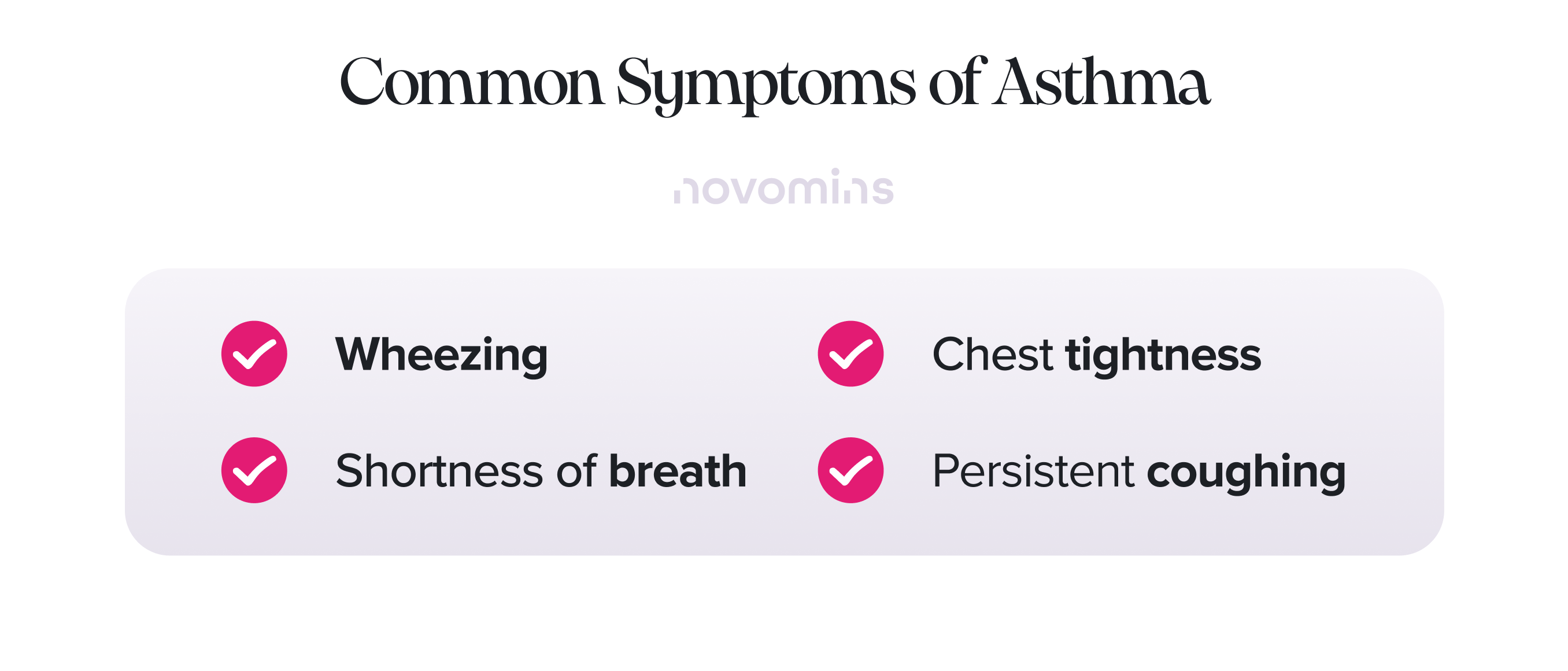
Asthma, on the other hand, affects the airways. These become inflamed and narrowed, which can lead to:
While they present differently, both conditions share a common thread, inflammation and immune system activity.
How does vitamin C work in the body?
Think of vitamin C as part of your body’s daily support system, helping maintain balance rather than forcing change.
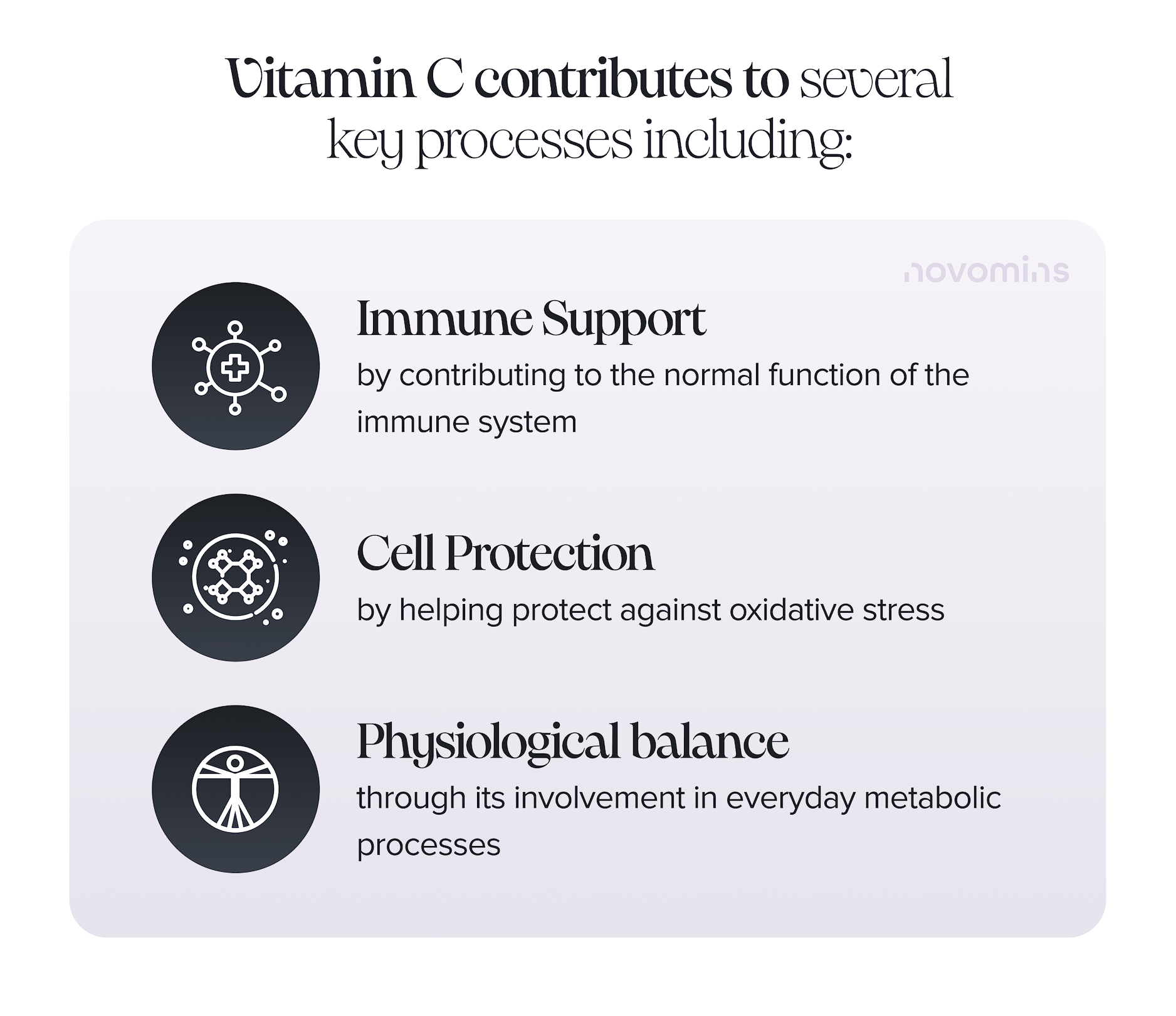
In the context of allergies, vitamin C is often described as supporting the body’s natural handling of histamine. In respiratory health, its antioxidant role can support the body during times when the airways may feel more sensitive or reactive.
How might vitamin C support allergy-related discomfort?
Vitamin C is often discussed in relation to histamine, the compound involved in allergic responses.
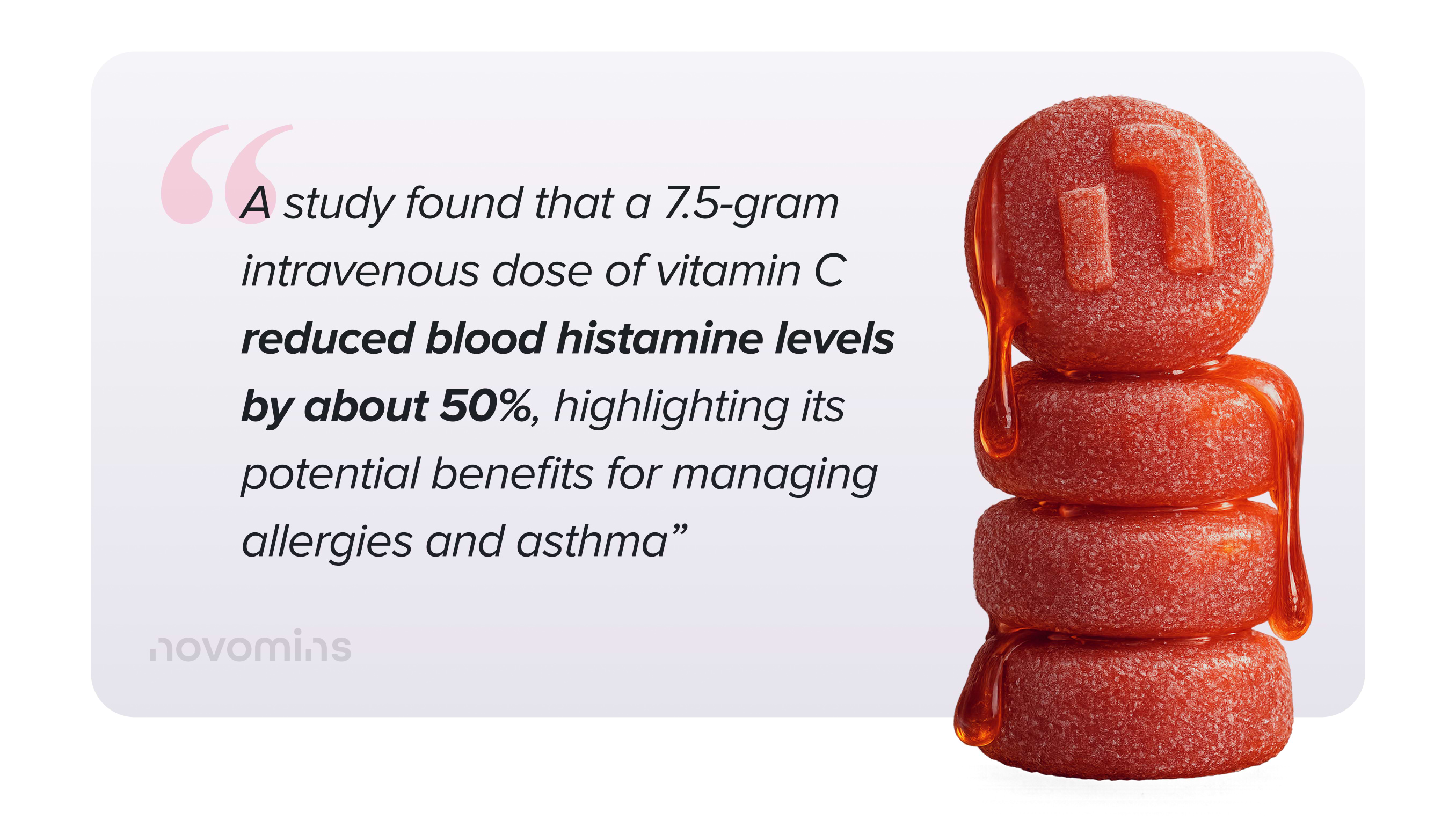
While it is not considered a treatment for allergies, studies show that maintaining sufficient vitamin C intake may support normal physiological processes involved in the immune response.
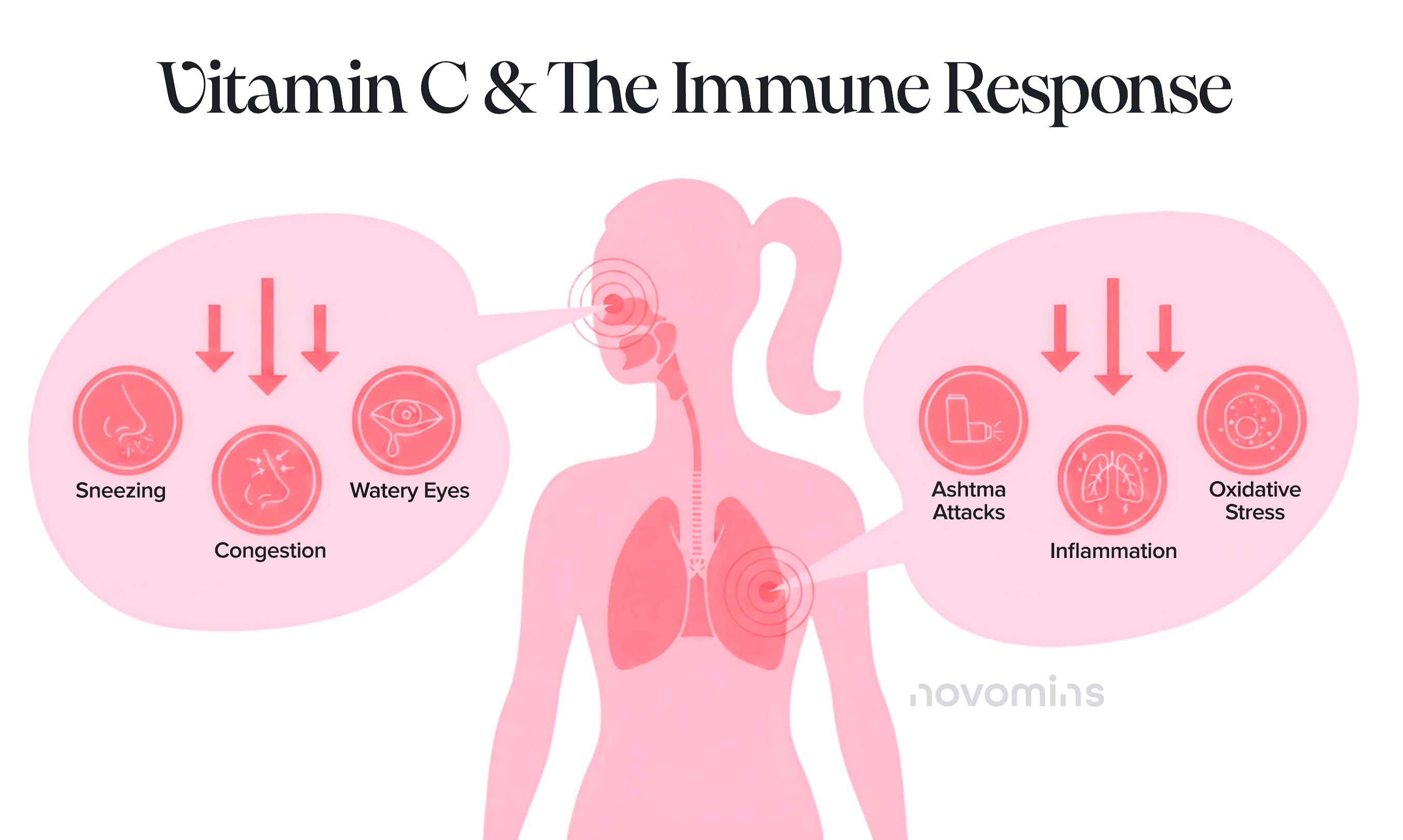
Rather than acting as a direct solution, vitamin C works more quietly in the background, supporting the systems that help your body stay balanced.
Does vitamin C help with asthma?
Asthma is closely linked to airway inflammation, and this is where vitamin C’s antioxidant role becomes relevant.
By contributing to the protection of cells from oxidative stress, vitamin C can support the body’s ability to manage everyday environmental challenges. Since oxidative stress is one of the factors involved in respiratory health, ensuring adequate intake can be a supportive part of a broader routine.
It is important to note that vitamin C does not replace prescribed asthma treatments, but rather functions as a supportive nutritional addition.
Why combine vitamin C with bioflavonoids?
In nature, vitamin C rarely exists alone. It is typically found alongside plant compounds like bioflavonoids.
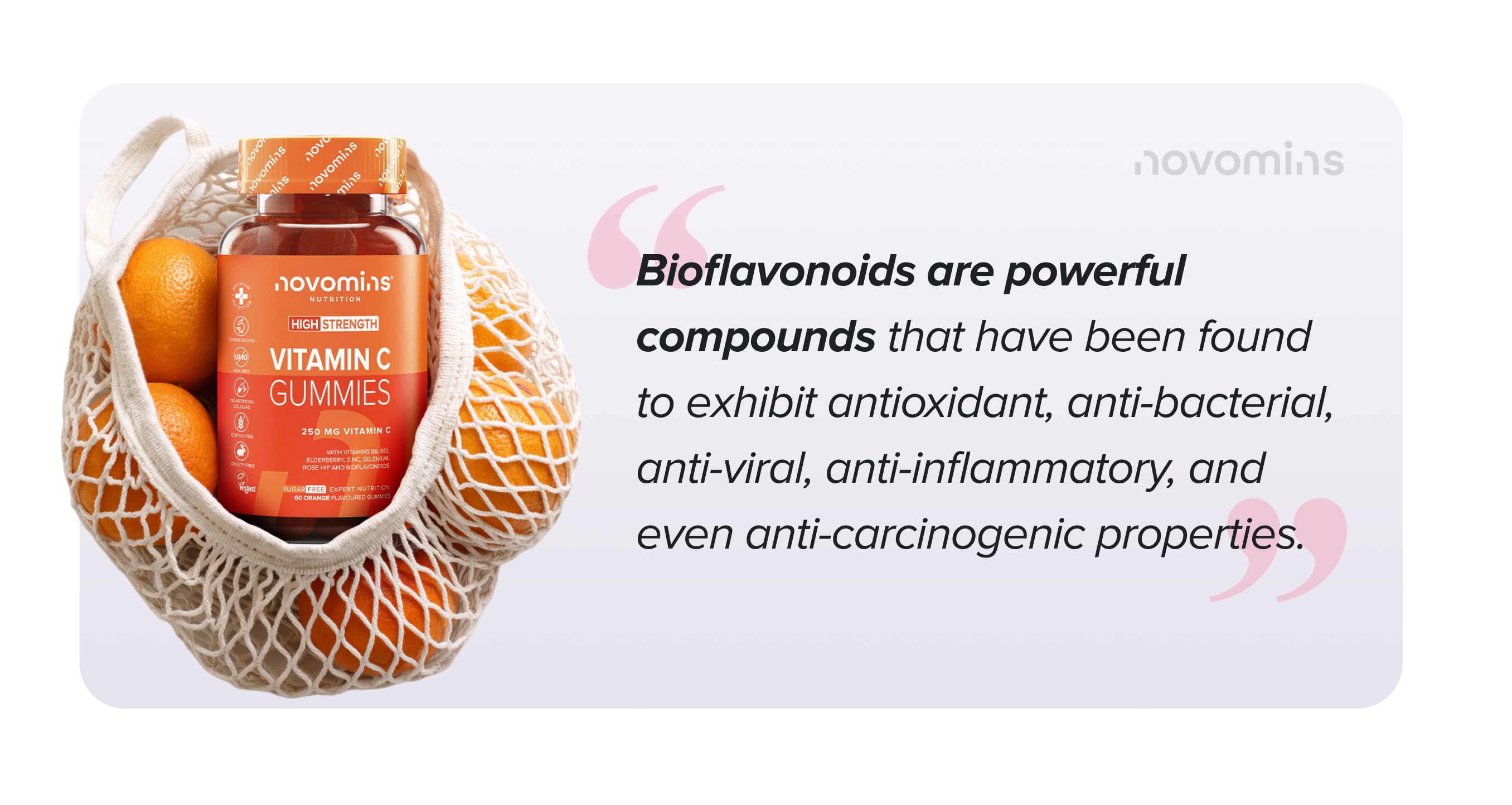
These compounds are present in foods such as citrus fruits, berries, and rose hips, and are often included in formulations to complement vitamin C.
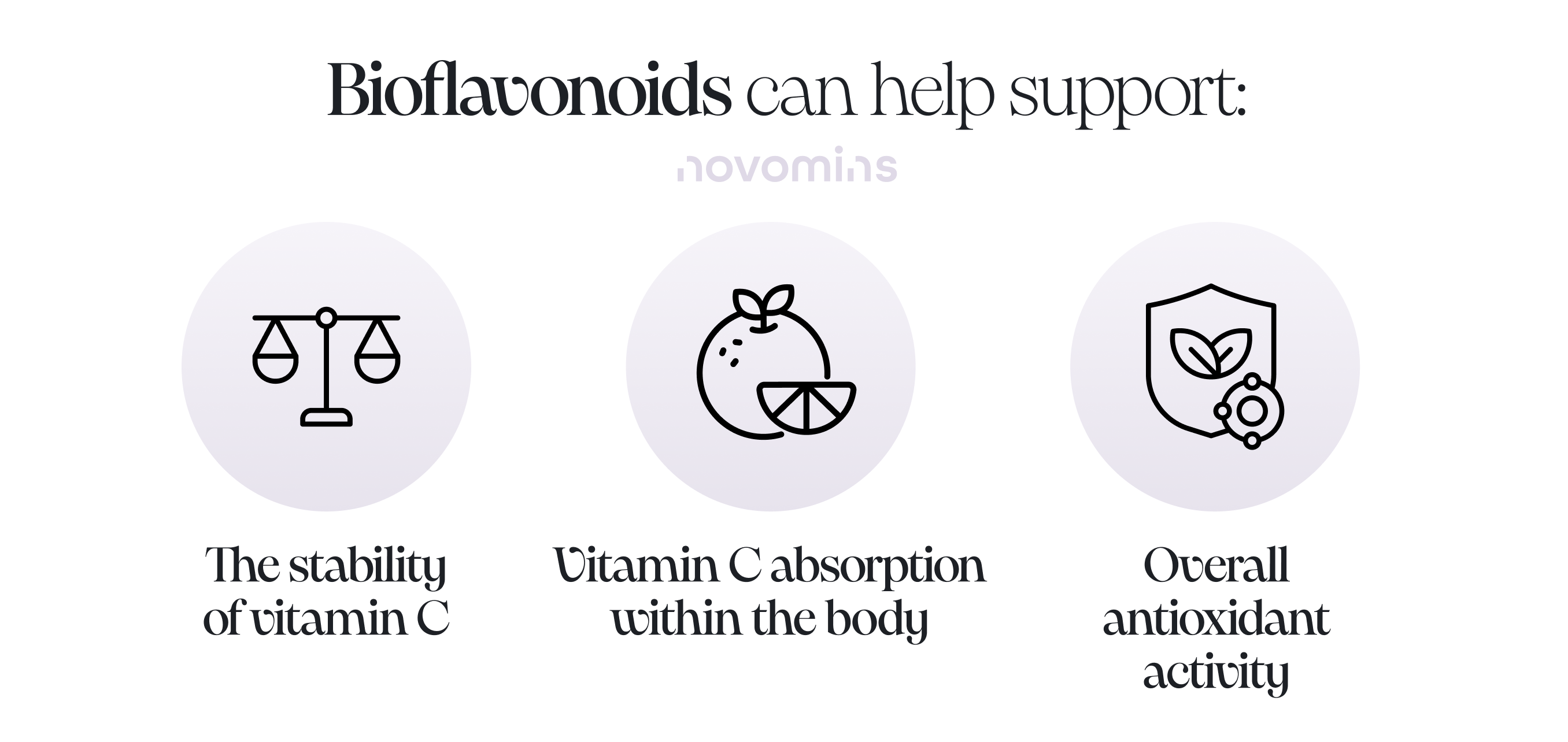
This combination reflects how nutrients naturally occur in whole foods, which is often where the body recognises and utilises them most effectively.
How much vitamin C do you actually need?
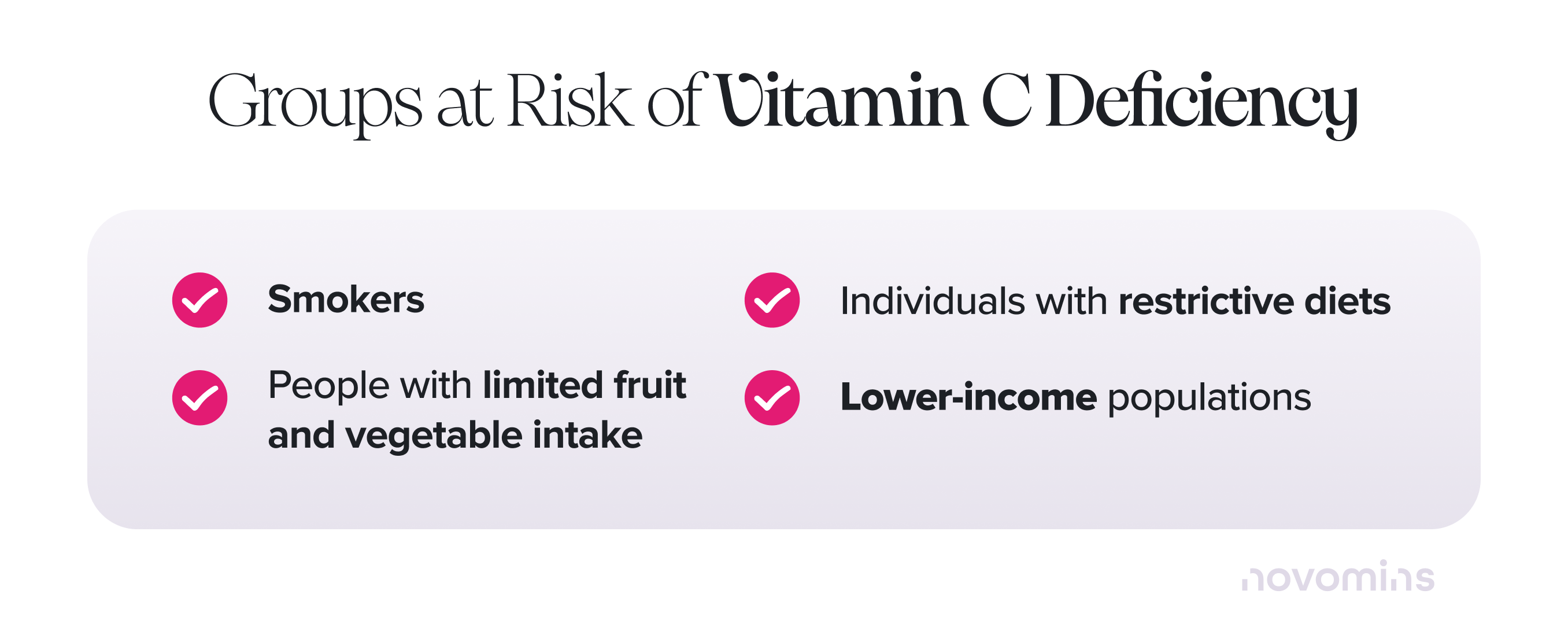
Vitamin C deficiency isn’t extremely common in developed countries, but suboptimal intake is far more widespread than people realise.
Estimates suggest up to 30–40% of people may have suboptimal levels of Vitamin C, meaning they are not meeting optimal intake for health.
Daily intake matters more than occasional high doses, and because vitamin C is water-soluble, it is not stored in the body, which means consistent daily intake is key.
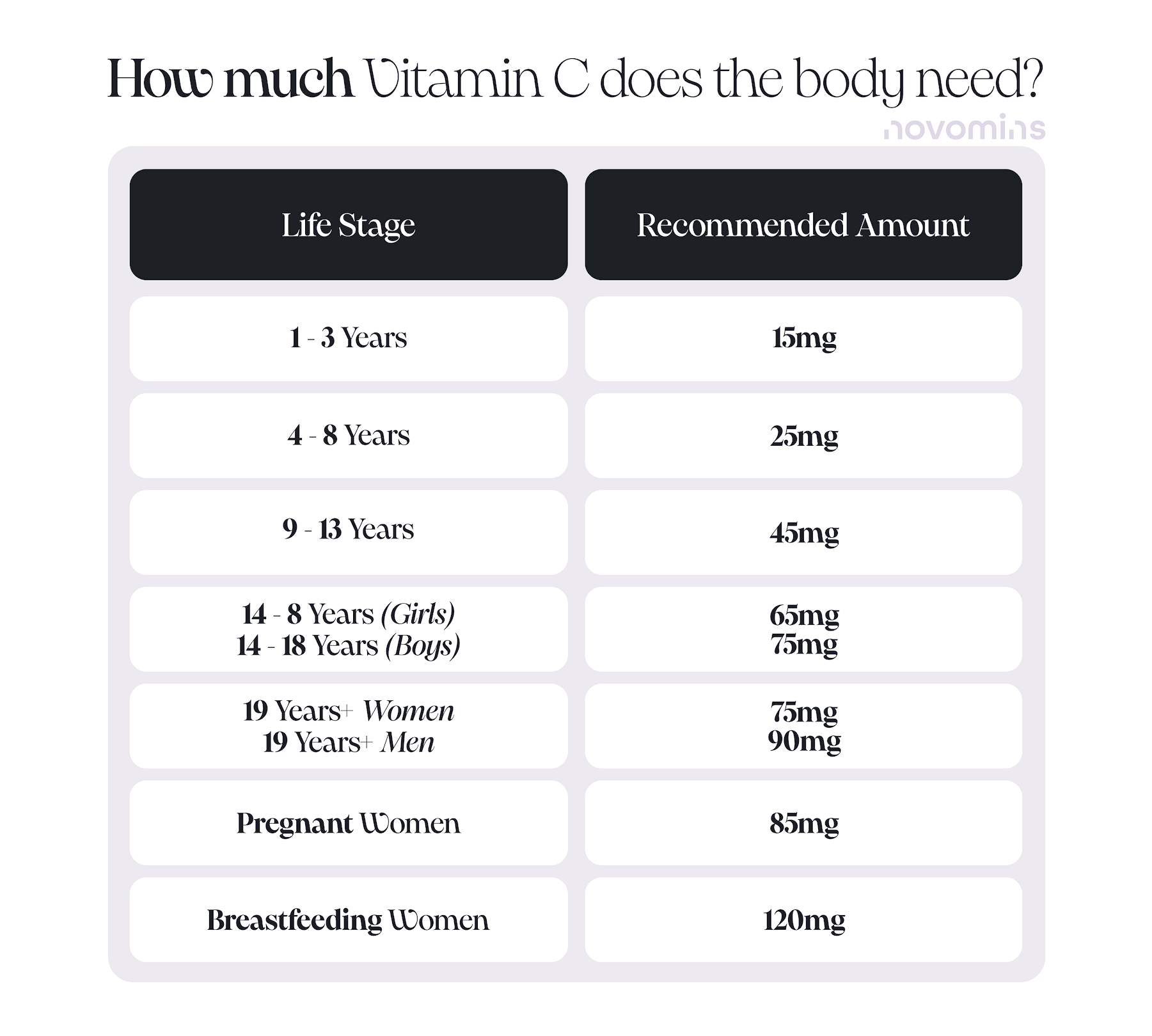
Higher intakes are sometimes used in clinical settings, but for everyday use, staying within recommended levels is a balanced and sustainable approach.
Food first, always
The first way to support your intake is through your diet.
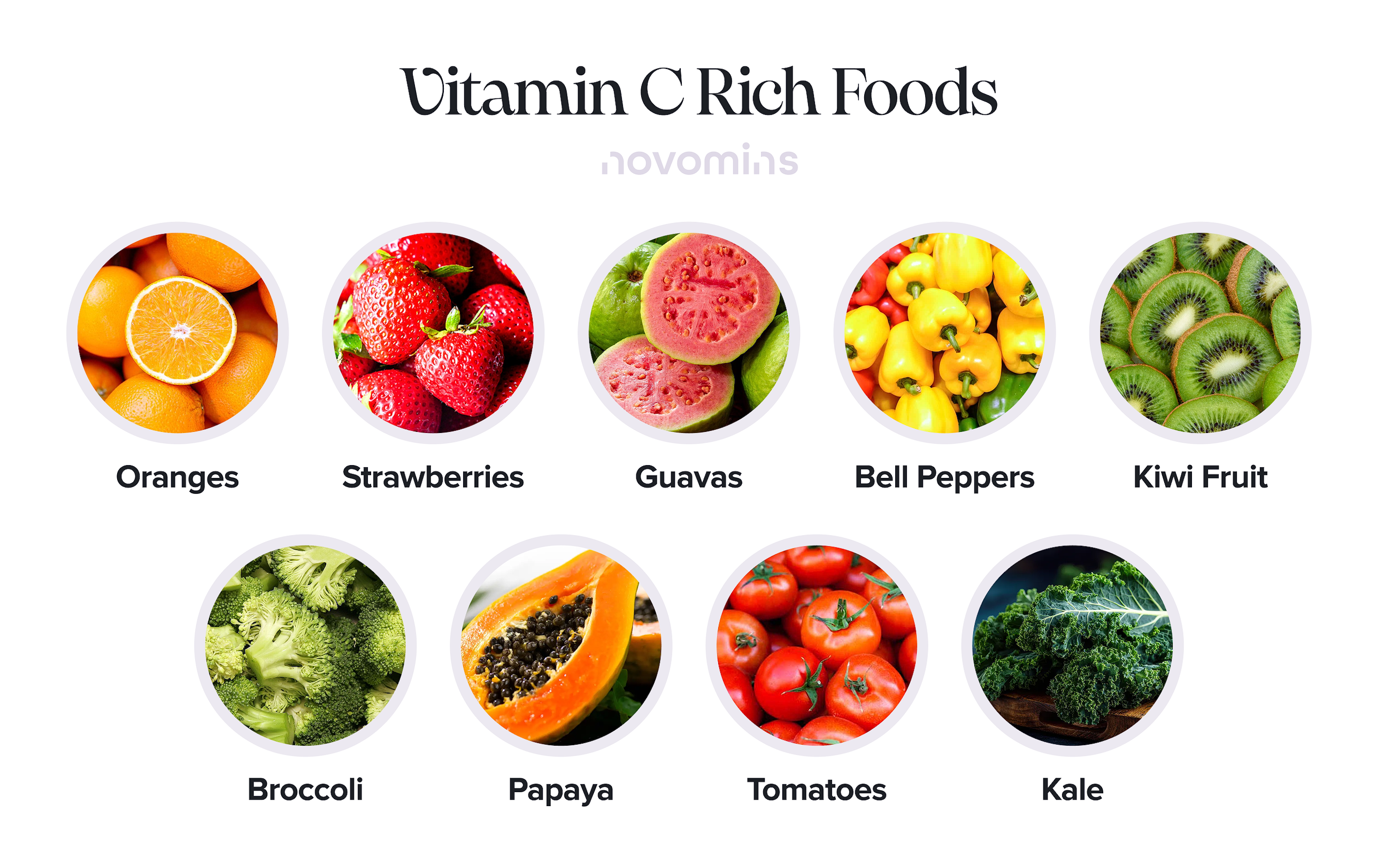
That said, routines are not always perfect. Busy days, travel, or selective eating habits can make consistency harder, which is where supplementation can offer a convenient alternative.
The Modern Food Challenge
While a balanced diet provides many essential nutrients, the nutritional quality of food today is not always identical to previous generations.
Modern farming practices often prioritise producing large quantities of crops efficiently. Over time, repeated harvesting without adequate soil restoration can contribute to soil nutrient depletion, meaning soil may contain fewer minerals than it once did.
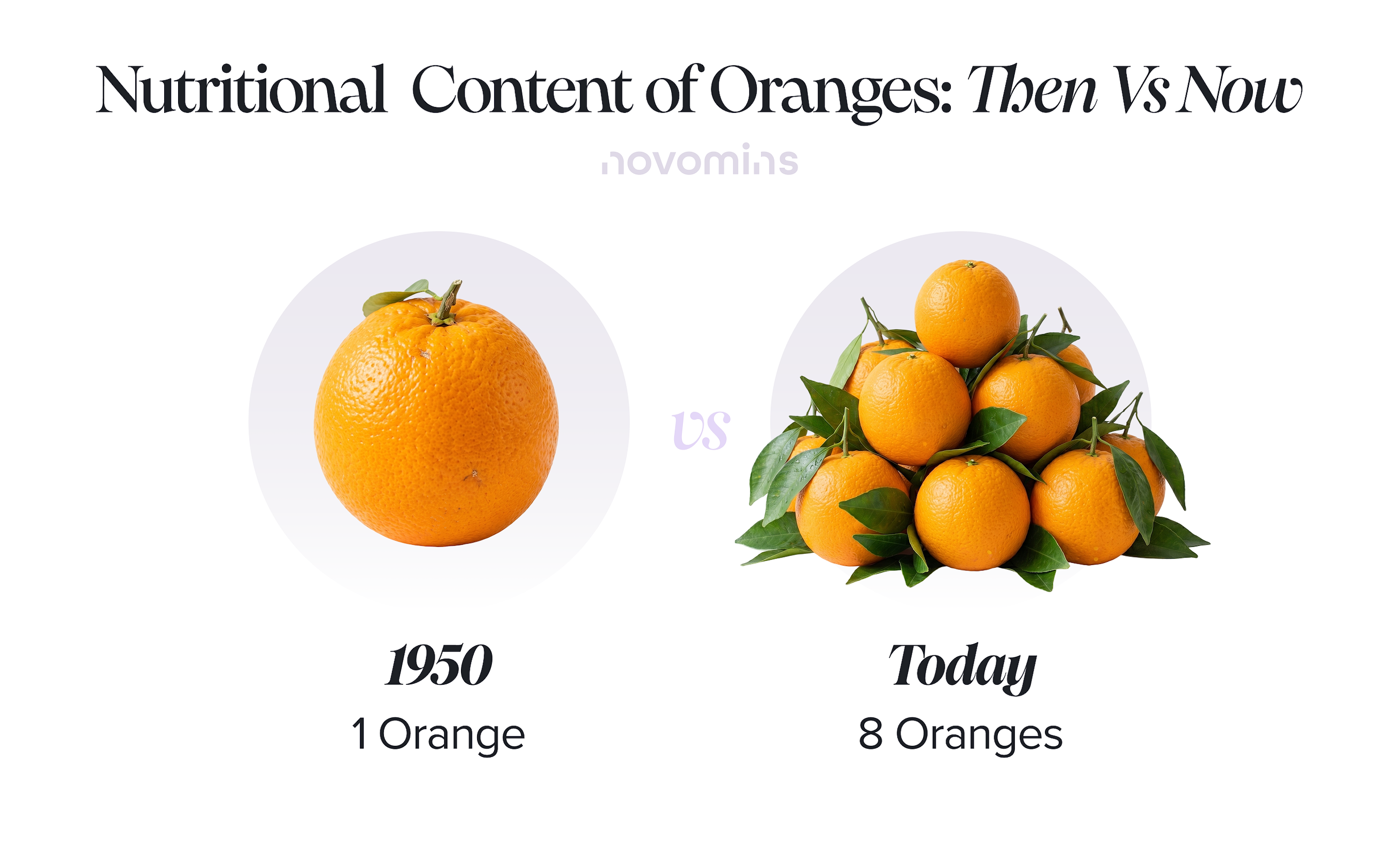
Because plants draw nutrients directly from soil as they grow, changes in soil quality can influence the mineral content of the foods we eat. At the same time, modern food systems often prioritise appearance, shelf life, and transport stability over nutrient content.
A simple way to stay consistent
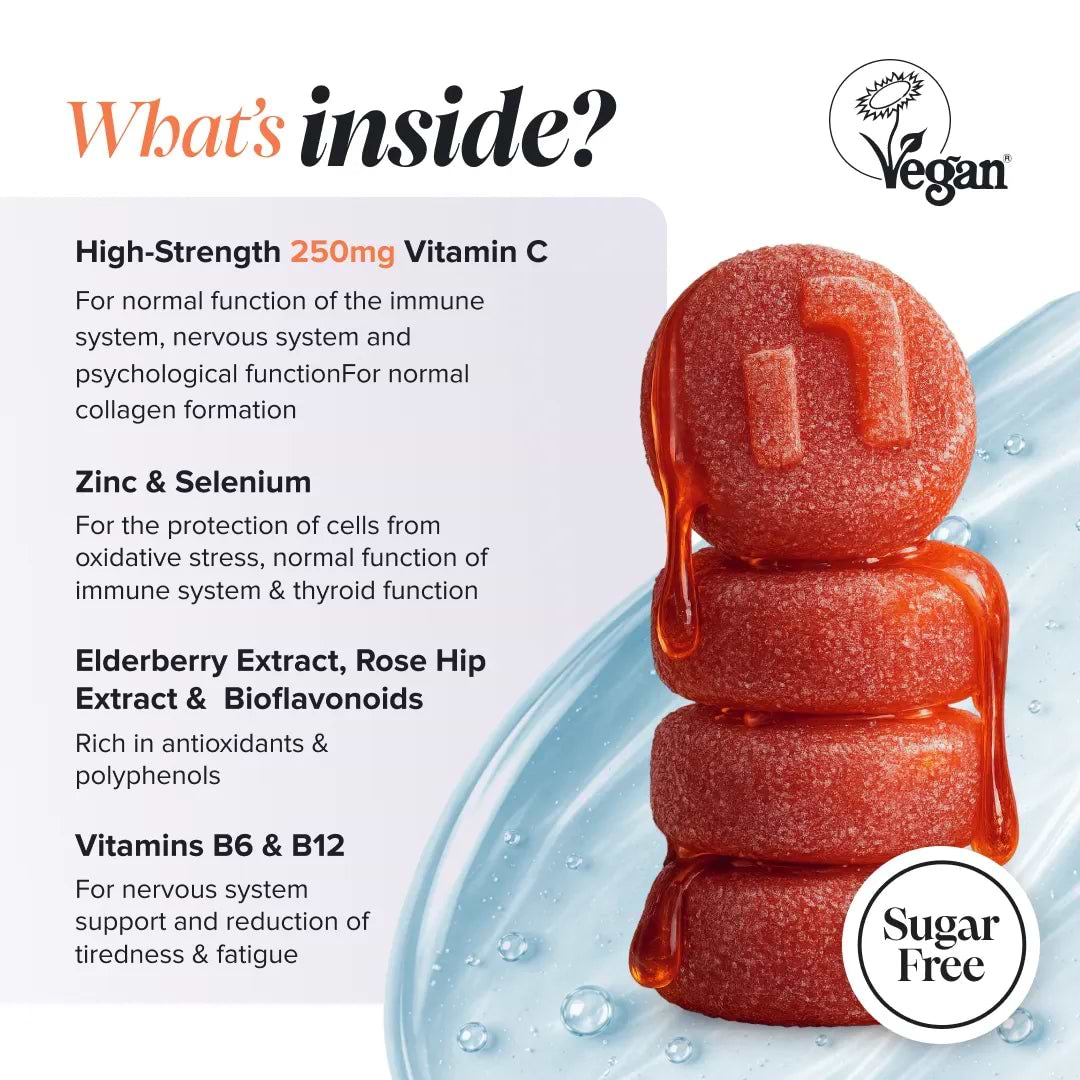
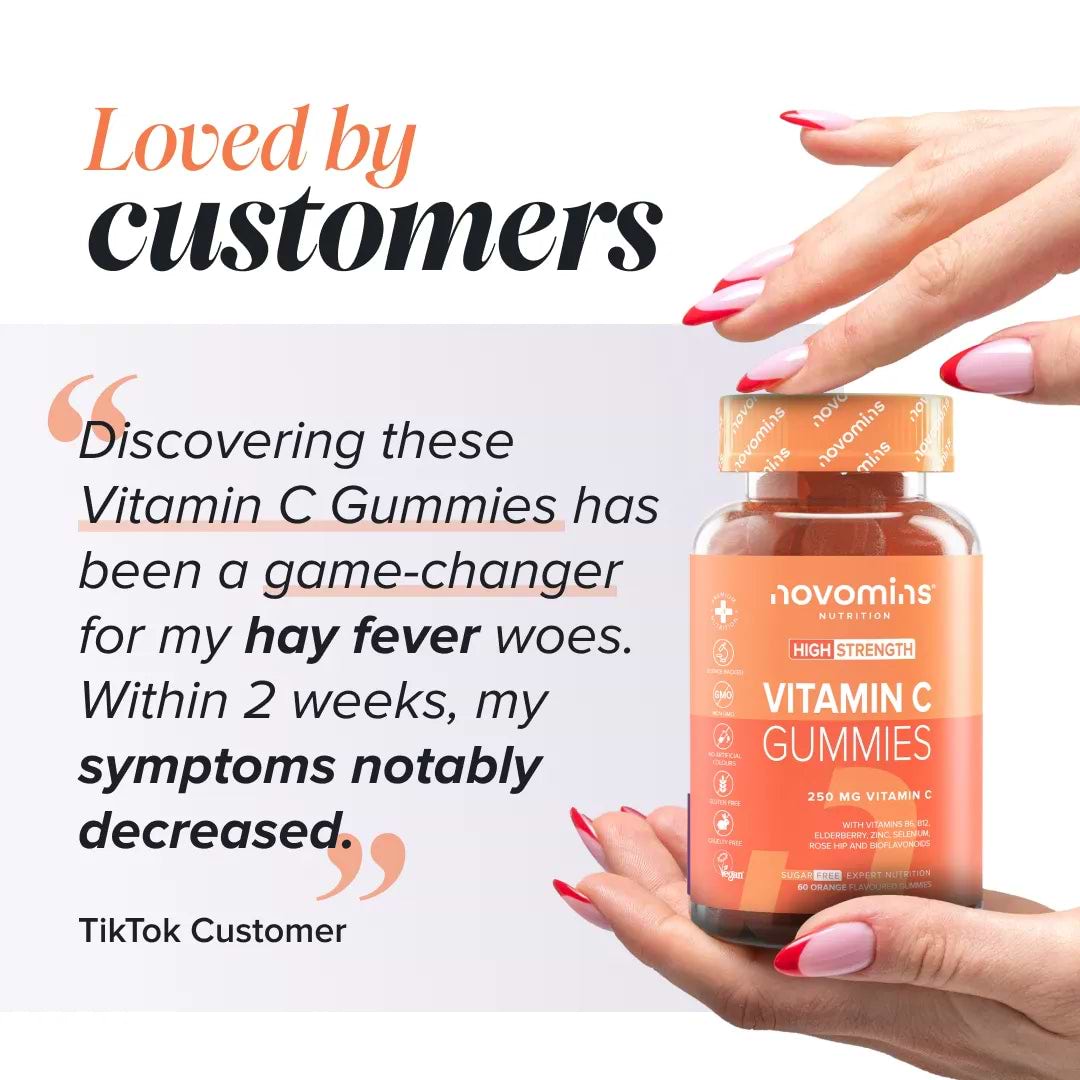
If you are looking for a simple way to support your intake, Novomins Vitamin C Gummies offer a practical option that fits easily into daily life.

Formulated with vitamin C alongside complementary nutrients in a tasty orange flavour for both kids and adults!
🍊SHOP ADULTS VITAMIN C GUMMIES

And because they are genuinely enjoyable to take, they are easier to stay consistent with, which is where the real benefit lies.
Final thoughts
There is no single solution for asthma or allergies, but there are ways to support your body more consistently.
Vitamin C is not about quick fixes or dramatic claims. It is about quiet, daily support, helping your body maintain its natural processes in a world that is often a little more demanding than it used to be.
Sometimes, the difference is not in doing more. It is in doing something small, consistently, and letting that build over time.
🍊SHOP ADULTS VITAMIN C GUMMIES
FAQs: Vitamin C, Allergies and Everyday Support
Can vitamin C cure allergies or asthma?
No. Vitamin C is not a treatment or cure, but it contributes to normal immune function and can support overall wellbeing, immune function and cell protection as part of a balanced routine.
Is it better to get vitamin C from food or supplements?
Food should always come first, but supplements can help fill gaps when daily intake is inconsistent. That being said, the nutritional content of food is not what it used to be, making it more difficult to get all the nutrients the body needs from food alone. Also see Micronutrient Deficiency content.
Can children take vitamin C supplements?
Yes, when taken within age-appropriate guidance. Always choose a kid-friendly formulation and stick to the guidelines on the label.
When is the best time to take vitamin C?
Vitamin C can be taken at any time of day, although many people prefer taking it in the morning as part of their routine.
Can you take too much vitamin C?
Excessive intake may cause digestive discomfort. Staying within recommended daily levels as indicated on both our Kids Vitamin C and Adults Vitamin C Gummies.
Why do gummies work so well for consistency?
Because they are enjoyable, easy to take, and feel like part of a routine rather than a chore, which makes long-term consistency more likely. Gummies are also formulated to work with the body's biological responses, supporting absorption from the very first chew. Also see buccal absorption.
🍊SHOP ADULTS VITAMIN C GUMMIES
Disclaimer
This content is for informational purposes only and is not intended as medical advice. Food supplements should not be used as a substitute for a varied, balanced diet and a healthy lifestyle.
If you are pregnant, breastfeeding, taking medication, or have an existing medical condition, please consult your healthcare professional before use.
Individual responses to supplements may vary.


