






School’s out, routines loosen, and suddenly the snack cupboard seems to be doing most of the heavy lifting.
Easter break brings later nights, busy days, and just enough routine disruption to make you wonder if your child is getting what they need.
Then comes the overwhelm, endless products promising everything from better sleep to sharper focus. But it does not have to be complicated.
Most children do not need more, just the right support, taken consistently.
This guide keeps it simple, so you can choose with confidence and build habits that last beyond the holidays.
Do Children Always Need Supplements?
Ideally, children should receive most of their nutrients from a varied and balanced diet. A helpful way nutritionists often explain this is the “three colours on the plate” approach, which helps ensure children receive a wide range of nutrients from different food groups.
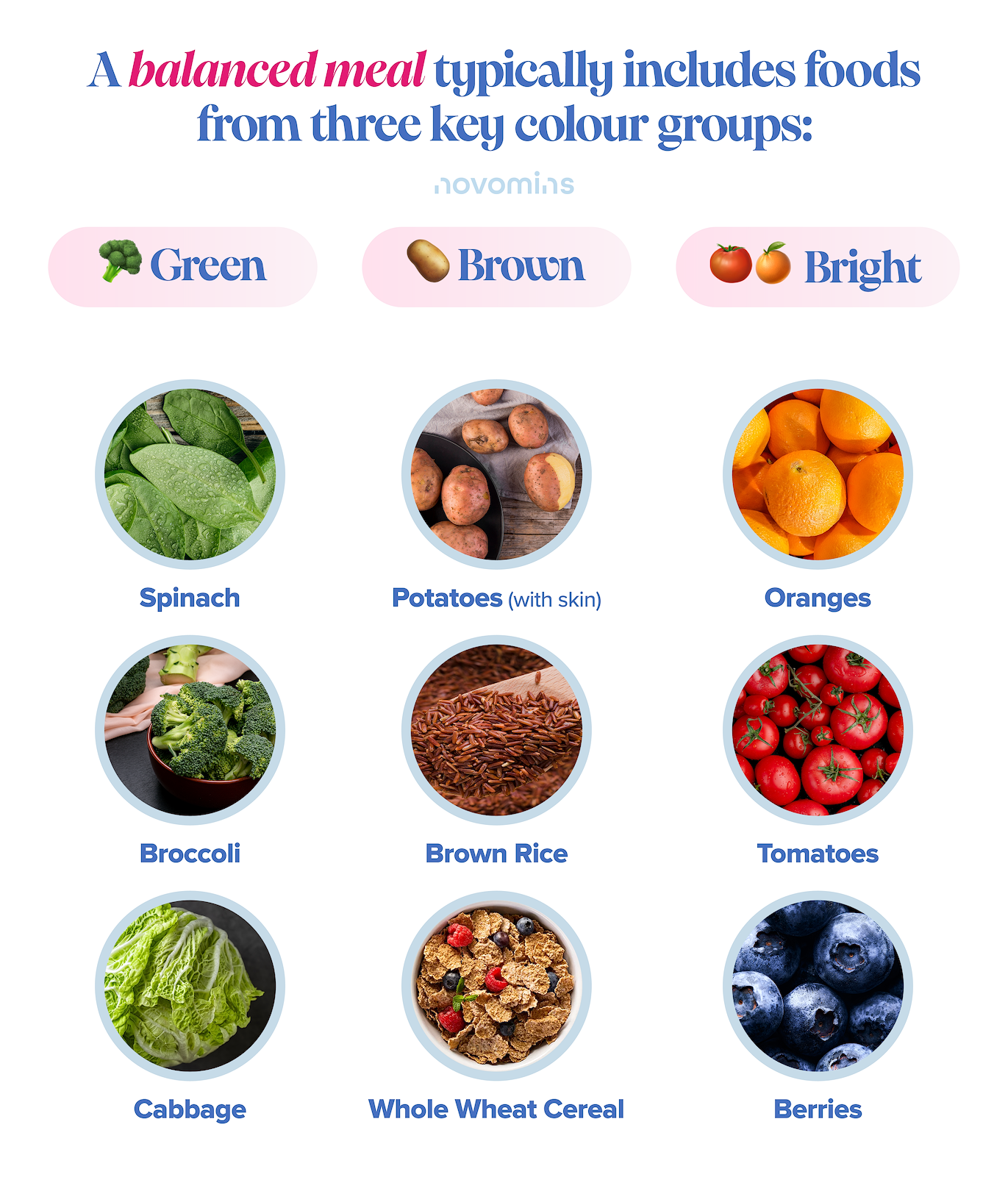
Each group contributes different nutrients that support growth, energy, and development.
Green Foods – Vitamins, Minerals and Fibre
Green foods are typically vegetables and leafy greens that provide a wide range of vitamins and minerals.

These foods contain nutrients such as:
- Vitamin C, which contributes to the normal function of the immune system
- Folate, which supports normal cell division and growth
- Vitamin K, which contributes to normal blood clotting
- Fibre, which supports healthy digestion
- Iron, which contributes to normal cognitive development in children
Green vegetables also contain plant compounds that support overall health and help children develop healthy eating habits early in life.
Brown Foods – Energy and Growth
Brown foods are usually whole grains and carbohydrate-rich foods that provide sustained energy for active children.
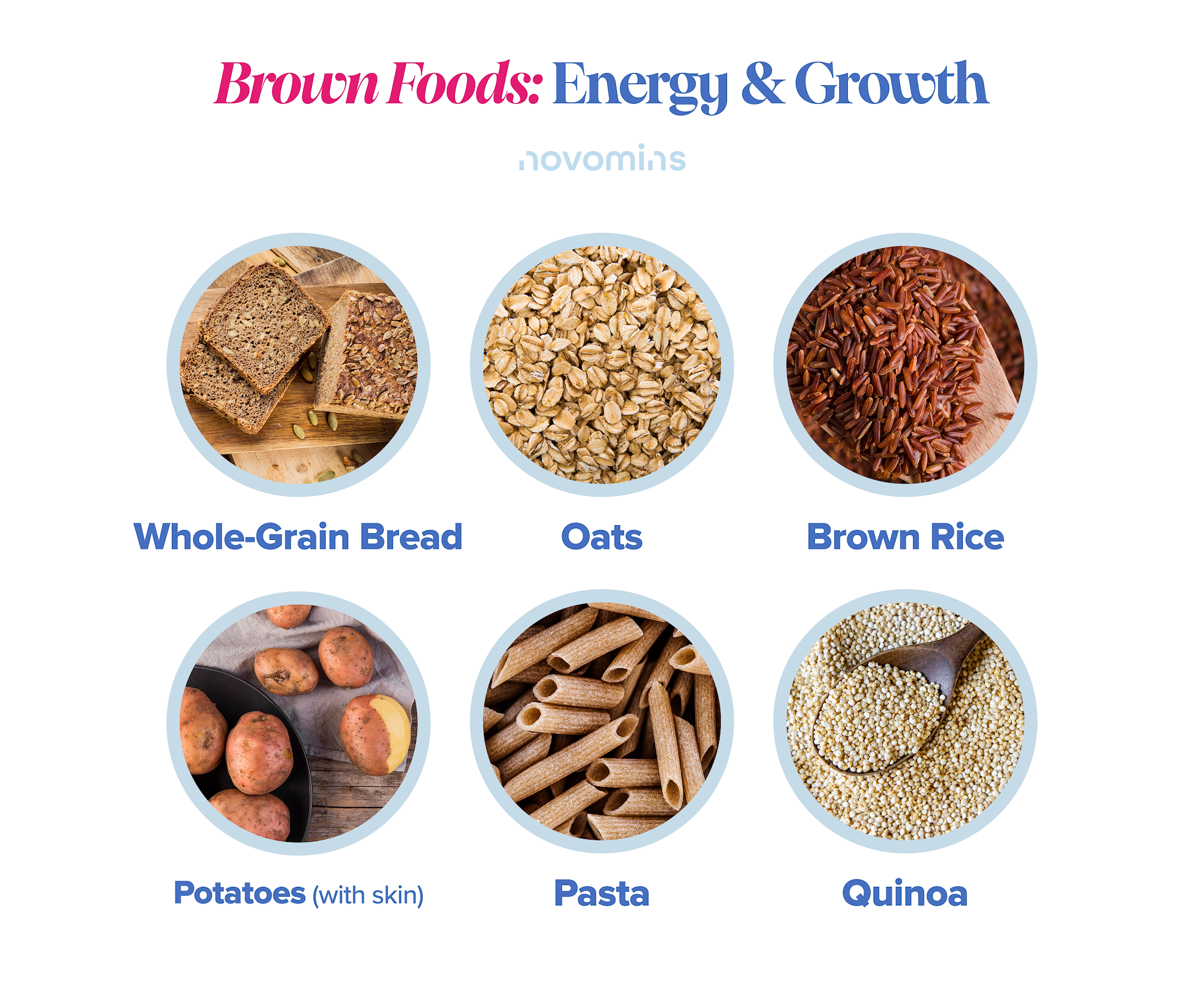
These foods provide:
- B vitamins, which contribute to normal energy metabolism
- Iron, which contributes to normal cognitive development in children
- Fibre, which supports digestive health
- Complex carbohydrates, which can provide steady energy for learning, play, and physical activity
Protein foods such as eggs, beans, lentils, poultry, fish, and dairy products also contribute important nutrients including iron, zinc, and vitamin B12, which support normal growth and development.
Bright Foods – Vitamins and Antioxidants
Brightly coloured fruits and vegetables provide a variety of vitamins and protective nutrients.
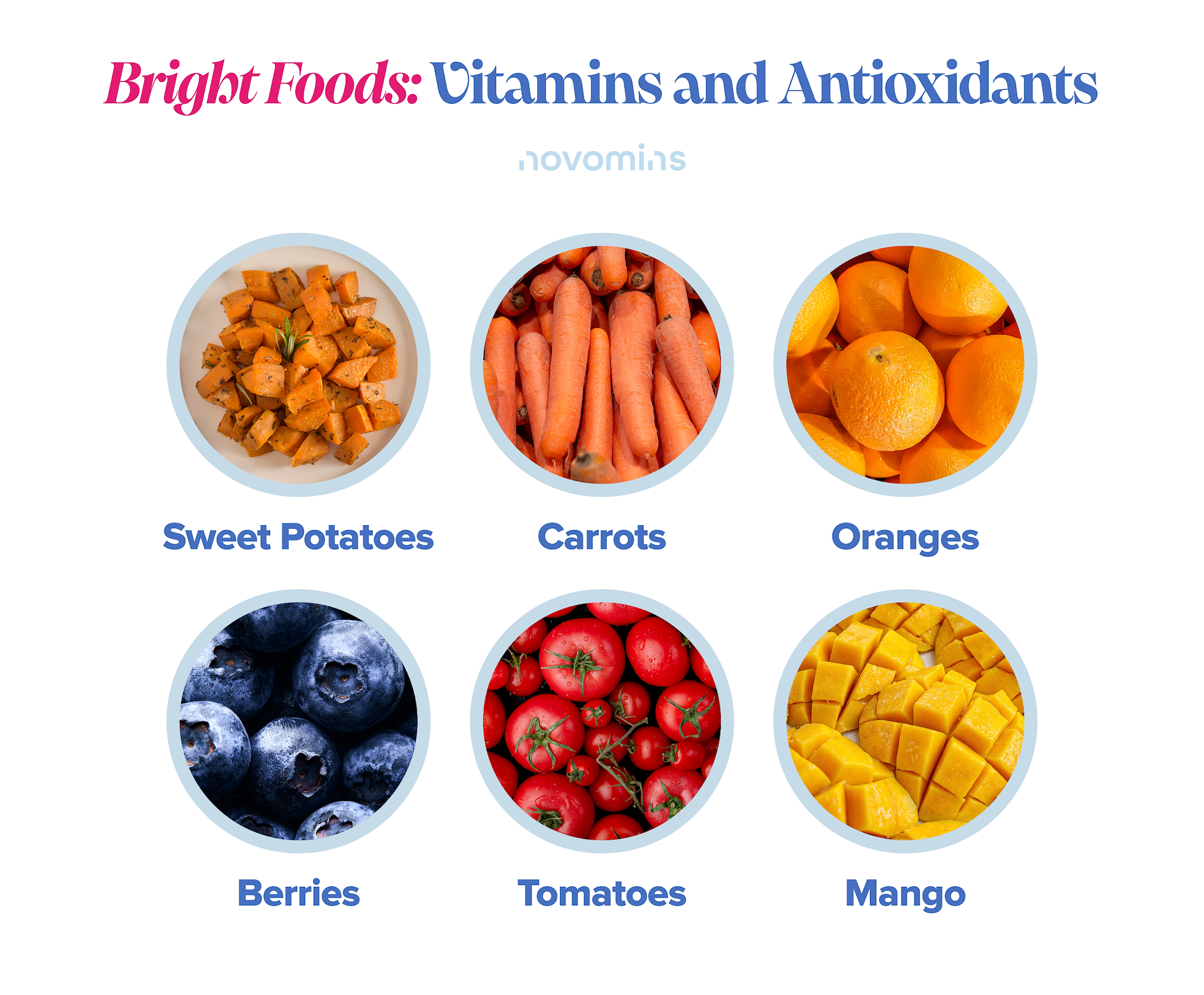
These foods are particularly rich in:
- Vitamin A, which contributes to normal vision and immune function
- Vitamin C, which contributes to the normal function of the immune system and supports iron absorption
- Antioxidants, which help protect cells from oxidative stress
Bright foods introduce a wider variety of flavours and textures.
Where Vitamin D Fits In
Vitamin D is particularly important during childhood as it contributes to the maintenance of normal bones and teeth and supports the normal function of the immune system.
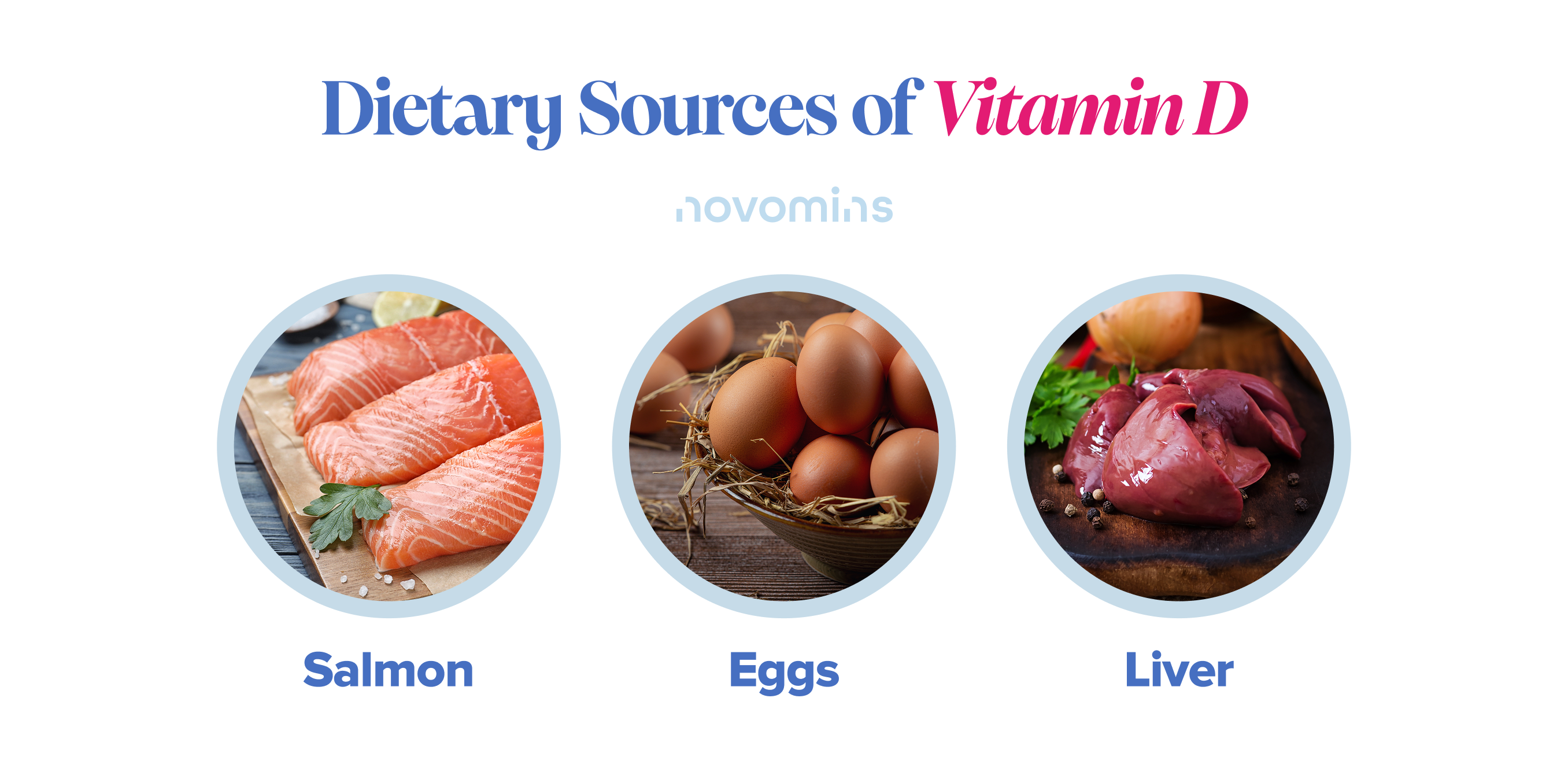
☀️ Sunlight exposure remains the primary natural source of Vitamin D.
The Modern Food Challenge
While a balanced diet provides many essential nutrients, the nutritional quality of food today is not always identical to previous generations.
Modern farming practices often prioritise producing large quantities of crops efficiently. Over time, repeated harvesting without adequate soil restoration can contribute to soil nutrient depletion, meaning soil may contain fewer minerals than it once did.
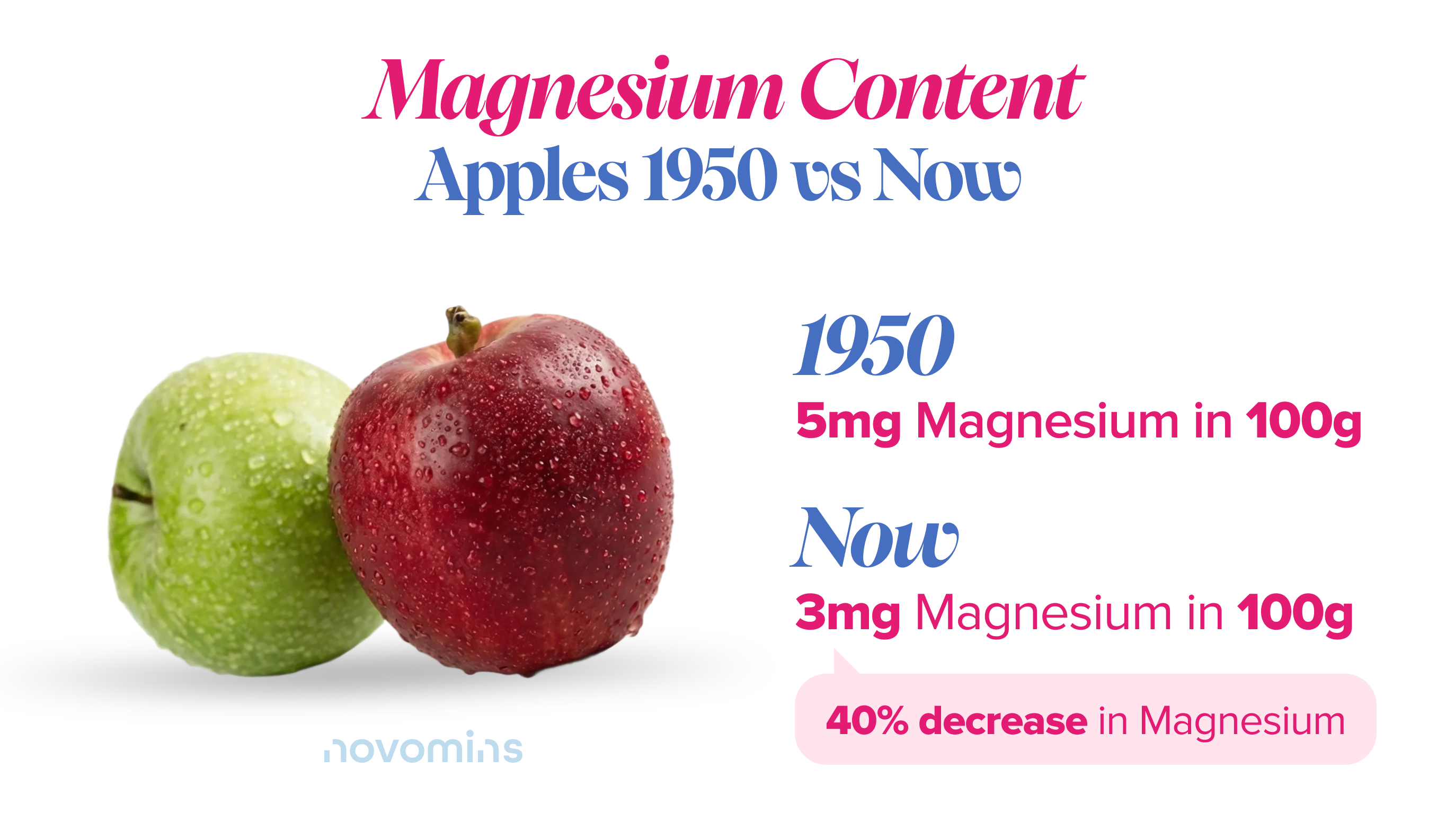
Because plants draw nutrients directly from soil as they grow, changes in soil quality can influence the mineral content of the foods we eat. At the same time, modern food systems often prioritise appearance, shelf life, and transport stability over nutrient content.
When Supplements Can Help
Many parents begin exploring supplements when they notice certain challenges with their child’s diet or routine.
Common reasons include:
-
Picky eating
Some children naturally go through phases where their range of accepted foods becomes very narrow. -
Restricted diets
Children following vegetarian, vegan, or allergy-restricted diets may require additional nutritional planning. -
Busy routines
School, activities, travel, and family schedules can make perfectly balanced meals difficult every day. -
Growth periods
Children experience rapid growth and development, which increases their nutritional demands. -
Low appetite phases
Appetite naturally fluctuates during development. In these situations, supplements can provide an additional layer of reassurance that a child’s diet includes essential nutrients.
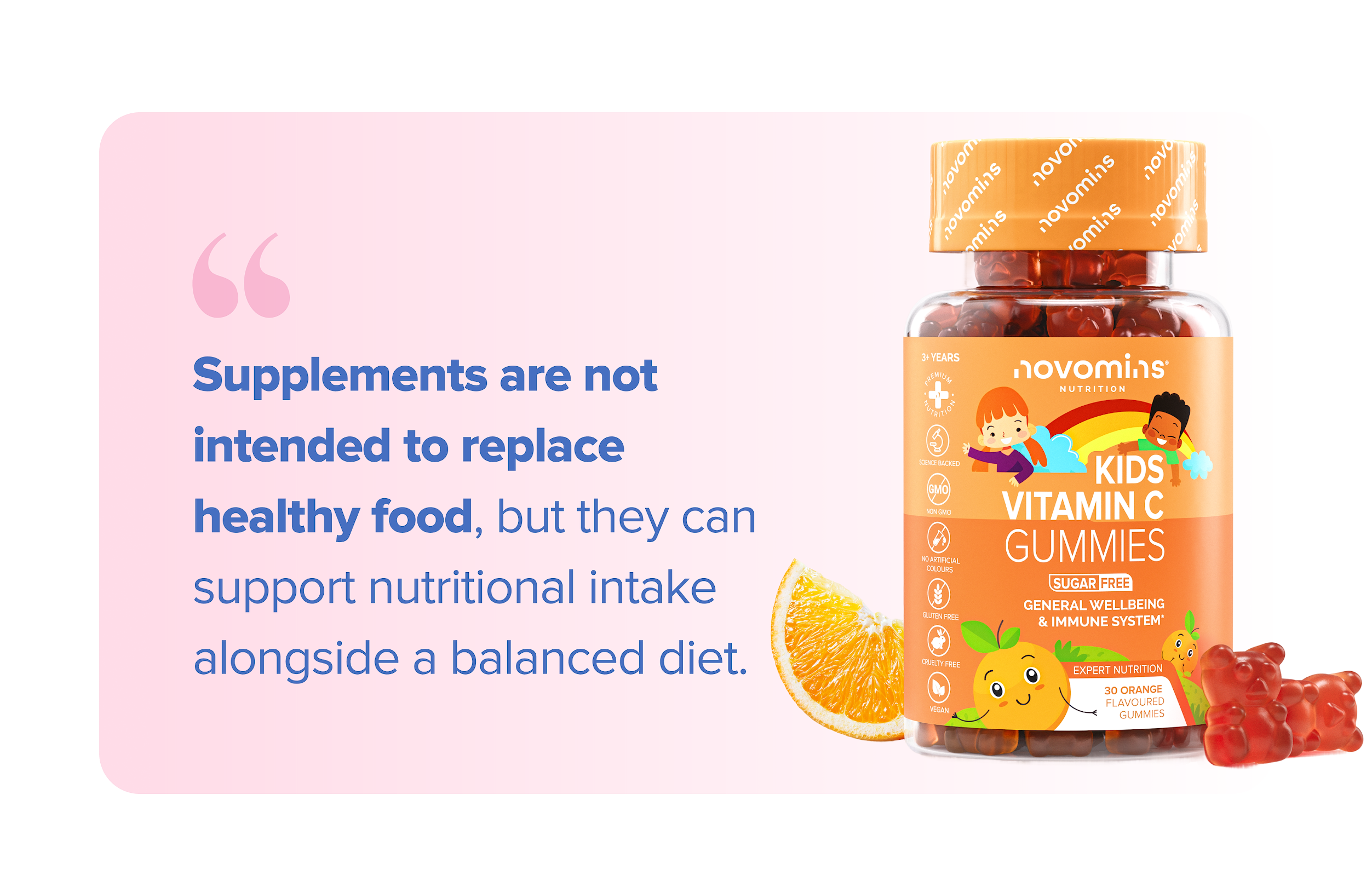
7 Signs Your Child Might Not Be Getting Enough Nutrients
Children grow quickly, and their bodies rely on a steady supply of nutrients to support everything from energy levels to learning and development. While occasional fluctuations are completely normal, consistent patterns can sometimes signal that their diet may not be as balanced as it needs to be.
These signs are not a diagnosis, but they can be helpful prompts to take a closer look at your child’s nutrition.
1. Frequent tiredness or low energy
Children are naturally active, so when they seem consistently tired, slower to get going in the morning, or run out of energy quickly, it can stand out.
Nutrients such as iron, B vitamins, and vitamin C contribute to normal energy metabolism and the reduction of tiredness and fatigue. If intake is inconsistent, children may appear more lethargic, less engaged in activities, or more reliant on quick-energy snacks.
2. Difficulty concentrating
If your child struggles to focus on tasks, becomes easily distracted, or finds it hard to stay engaged during schoolwork, nutrition can be one of several contributing factors.
Nutrients including iodine, iron, pantothenic acid, and vitamin B12 contribute to normal cognitive function and mental performance. A steady supply of these nutrients supports attention, memory, and overall brain function.
3. Frequent minor illnesses
Children naturally pick up colds and minor infections as their immune systems develop, especially during school terms.
However, if your child seems to catch everything going around or takes longer to bounce back, it may be worth reviewing their nutrient intake.
Vitamins A, C, D and zinc contribute to the normal function of the immune system, helping the body respond to everyday environmental challenges.
4. Slower growth
Growth happens in phases, but consistent patterns of slower growth, delayed development, or lower energy for physical activity may prompt a closer look at nutrition.
Nutrients such as vitamin D, calcium, and iodine support normal growth and bone development in children. These nutrients play important roles in building strong bones, supporting metabolism, and maintaining overall development.
5. Dry skin, brittle hair or nail changes
Sometimes, the first signs of nutrition show up in the areas we can see. Skin that feels persistently dry, hair that lacks its usual shine, nails that break easily, or even small white marks appearing on the nails can all be subtle signals that the body may not be getting everything it needs.
Nutrients such as vitamin E, biotin, zinc, and vitamin A contribute to the maintenance of normal skin, hair and nails, supporting these outer layers from within. While factors like weather, hydration, and daily habits all play a role, diet remains the foundation, quietly shaping how these visible signs present over time.
6. Digestive discomfort
Regular digestive discomfort, constipation, or irregular bowel habits can often be linked to diet.
Low intake of fibre-rich foods such as whole grains, fruits, vegetables, and legumes can affect digestive comfort and regularity. Fibre can help support normal bowel function and keeps things moving as they should.
The balance of bacteria in the gut also plays an important role. Probiotics, which are living microorganisms found in foods like yoghurt, kefir, and fermented foods, are often included in diets to support gut balance. A well-balanced gut environment can support normal digestive function and help the body absorb nutrients effectively.
A varied diet that includes both fibre and probiotic-rich foods can help support overall digestive comfort as part of a healthy routine.
7. Highly selective eating
One of the most common and often overlooked signs is simply limited food variety.
Many children go through phases where they prefer familiar, beige foods and avoid entire food groups such as vegetables, fish, or dairy. While this is developmentally normal, it can make it harder to consistently meet nutrient needs.
Over time, a narrow diet may reduce the intake of key vitamins and minerals that support growth, energy, and overall health.
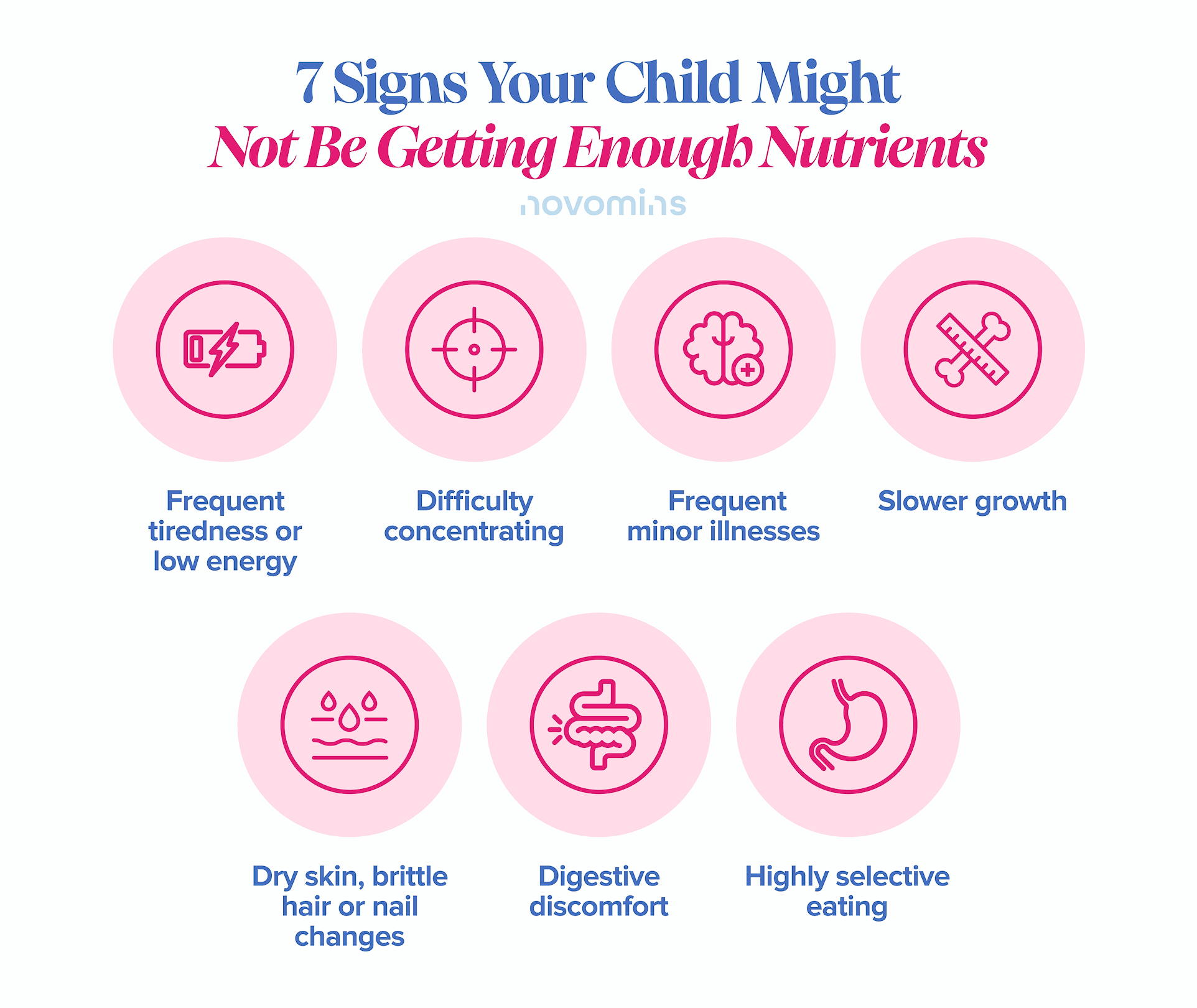
5 Common Mistakes Parents Make When Choosing Kids’ Supplements
When parents start looking into supplements, it usually comes from a place of care. However, with so many options on the market, it is easy to prioritise the wrong things. A few small shifts in how you choose can make a big difference.
1. Choosing based on marketing rather than nutrients
Bright packaging, fun characters, and bold claims can make products appealing, especially to children, but they do not always reflect what is inside.
The most important place to look is the nutrient panel. This tells you exactly what your child is getting and in what amounts. A well-formulated multivitamin should include a meaningful range of essential vitamins and minerals, not just one or two headline ingredients.
2. Starting too many supplements at once
It is easy to feel like your child needs support for everything at once, from immunity to sleep to focus. This can quickly lead to multiple products being introduced at the same time.
In many cases, a balanced multivitamin and essential probiotic can be the best place to start. This provides a strong nutritional foundation, and additional supplements can be considered later based on individual needs.
3. Ignoring quality and testing
Not all supplements are created to the same standard, and quality matters, especially for children.
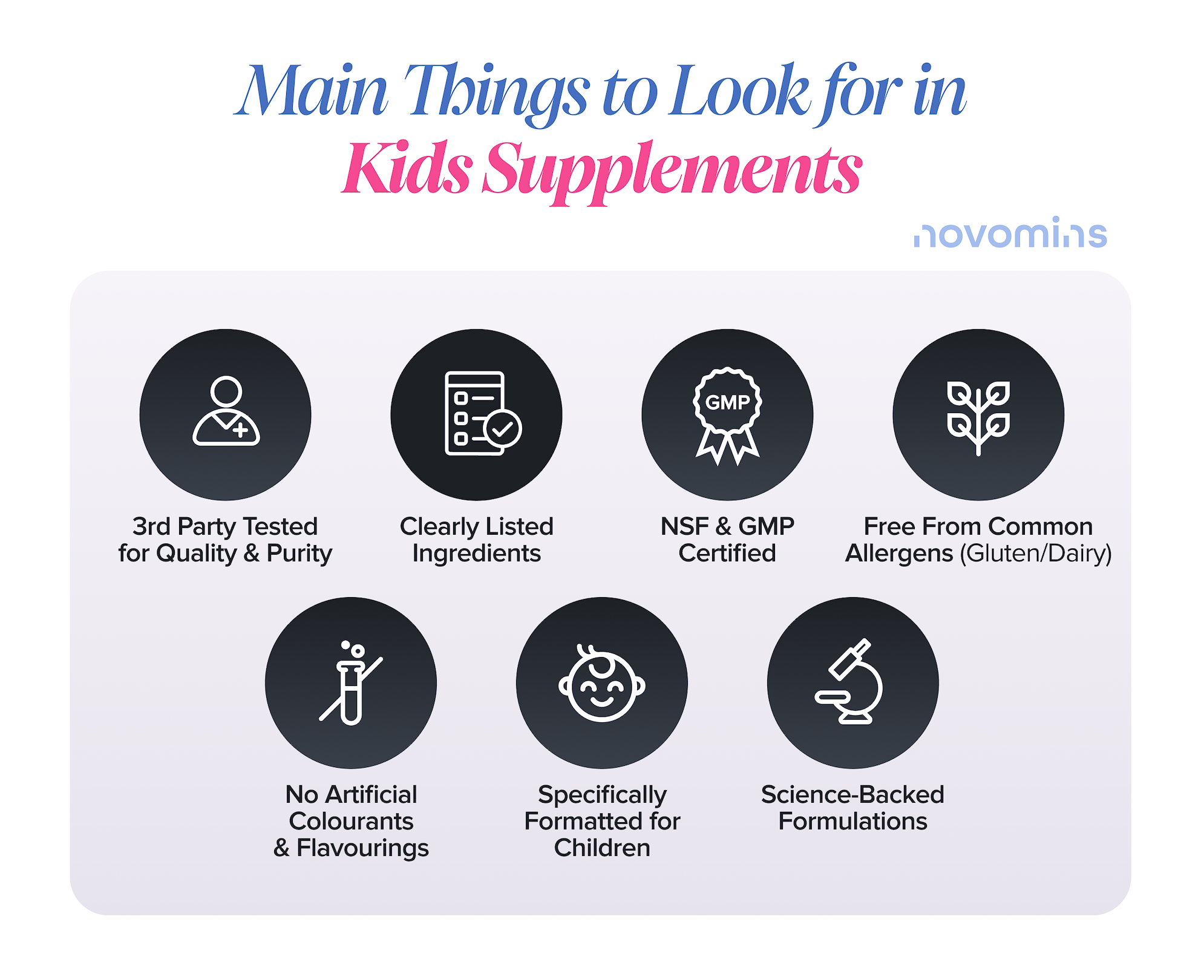
Look for products that are third-party tested for purity and quality, meaning independent laboratories verify what is actually inside the product.
There have been cases where products marketed for children contained ingredients not clearly stated on the label. For example, recent reports have highlighted hidden melatonin in some children’s night-time supplements, reinforcing the importance of transparency and testing.
4. Not checking additives
Taste is important, but some supplements rely heavily on artificial colours, flavourings, or unnecessary fillers to make them more appealing.
It is also important to check for common allergens, such as gluten, and ingredient choices such as palm oil, depending on your preferences.
A cleaner ingredient list, with clear and recognisable components, can help parents make more informed choices.
5. Choosing a format children refuse to take
Even the most well-formulated supplement will not be effective if it is not taken consistently.
Large tablets, strong-tasting liquids, or powders can quickly become a daily struggle. Over time, this leads to missed doses and inconsistent intake.
Choosing a format that children enjoy and look forward to taking often makes the biggest difference. When a supplement fits naturally into a routine, consistency improves, and so does the long-term benefit.
How to Choose the Right Supplement for Your Child
When selecting a supplement, focus on a few practical factors.
1. Start with the basics
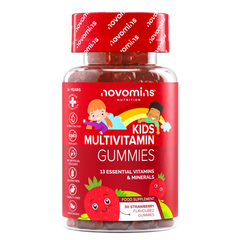
For many families, a children’s multivitamin is a simple starting point that provides a broad nutritional foundation.
Key nutrients often included include:
| Key Nutrient | Why? |
|---|---|
| Vitamin A | Vitamin A contributes to vision, immune function, and iron metabolism. It also helps to maintain healthy skin and mucous membranes, and plays a role in the process of cell specialisation. |
| Vitamin E | Vitamin E is a well-known antioxidant that contributes to the protection of cells from oxidative stress. It plays a role in maintaining healthy skin by supporting the body's natural defense mechanisms. Vitamin E is also important for overall health, as it helps protect cells from oxidative damage. |
| Vitamin C | Vitamin C contributes to immune function as well as maintenance of bones, gums and teeth. |
| Vitamin D | Vitamin D contributes to the maintenance of bones, teeth, and muscle function. It also supports the absorption and utilisation of calcium and phosphorus in the body. |
| Vitamin B6 | Vitamin B6 contributes to energy metabolism, functioning of the nervous & immune systems, psychological function, red blood cell formation, hormonal regulation, and reduces fatigue. |
| Vitamin B12 | Vitamin B12 contributes to energy, functioning of the immune system, psychological function, and reduces fatigue. Vitamin B12 also plays a role in the process of cell division. |
| Folate | Folic acid is beneficial for children as it supports proper growth and development, and aids in the production of new cells. |
| Biotin | Biotin contributes to energy metabolism, functioning of the nervous system, psychological function, macronutrient metabolism, and the maintenance of skin, hair, and mucous membranes. |
| Pantothenic Acid | Pantothenic acid, or vitamin B5, can help support energy metabolism by aiding in the breakdown of carbohydrates, fats, and proteins, promotes healthy growth and development, and assists in the production of hormones and neurotransmitters. |
| Choline | Choline is involved in cell membrane structure and the transport of fats in the body. It contributes to liver function and it is a precursor for acetylcholine, which is a neurotransmitter involved in memory and muscle control. |
2. Consider your child’s needs
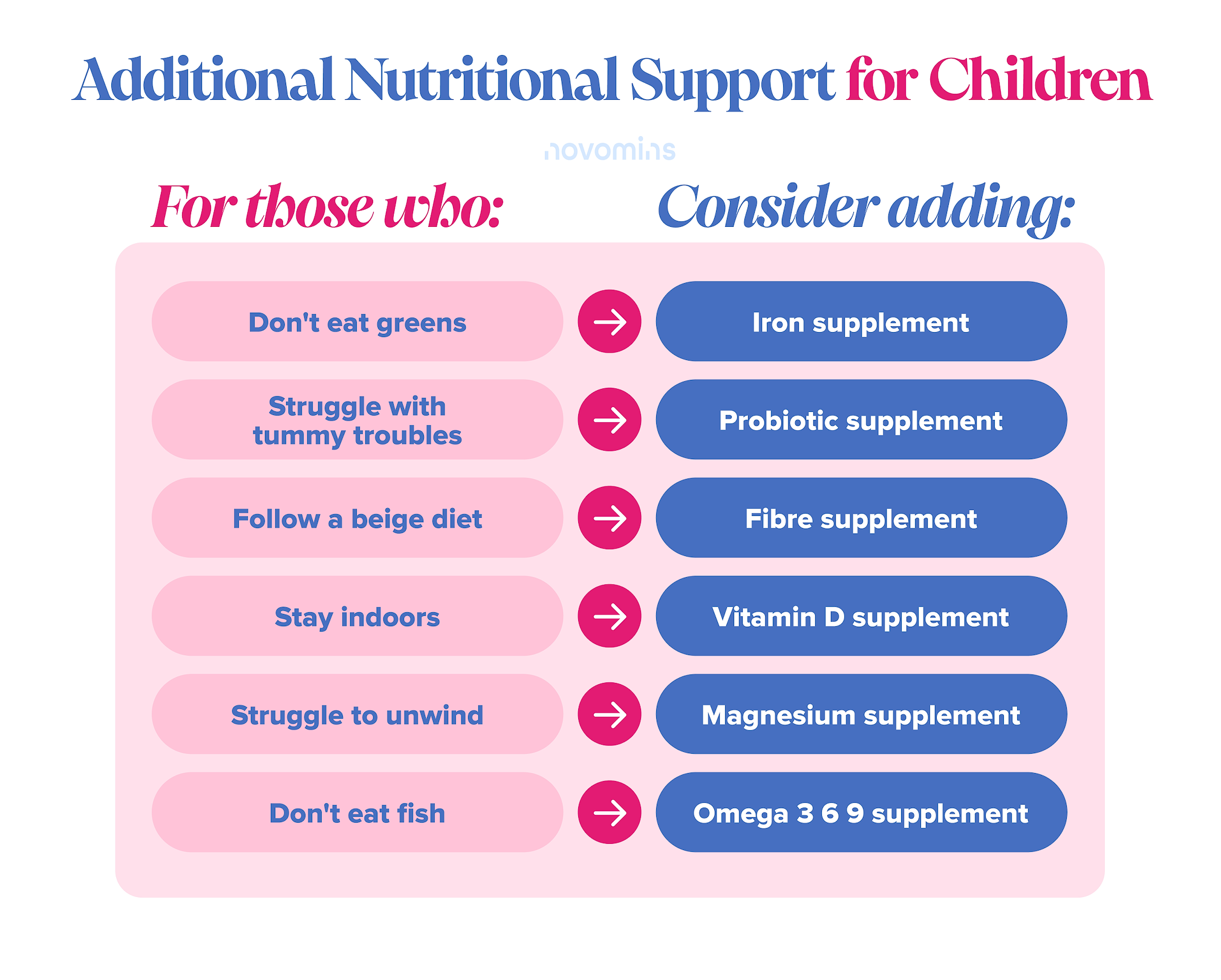
Children with restricted diets, picky eating habits, or growth spurts may require additional nutritional support.
3. Check quality standards
As a parent, you want to know that what you’re choosing is safe, transparent, and made with care. A few simple quality checks can make all the difference.
4. Choose a format that fits your routine
Supplements only work when they are taken consistently. Many families find chewable or gummy supplements easier to include in daily routines. Many moms report using gummies as treats or rewards with great success.
Why Consistency Matters More Than Perfection
Large tablets, bitter liquids, or powders mixed into food can quickly turn supplementation into a daily struggle for both parents and children.
When a supplement tastes pleasant and has a texture children enjoy, it becomes much easier to build a routine. Children are more likely to take it willingly, which helps maintain consistency over time.
Why Gummies > Pills
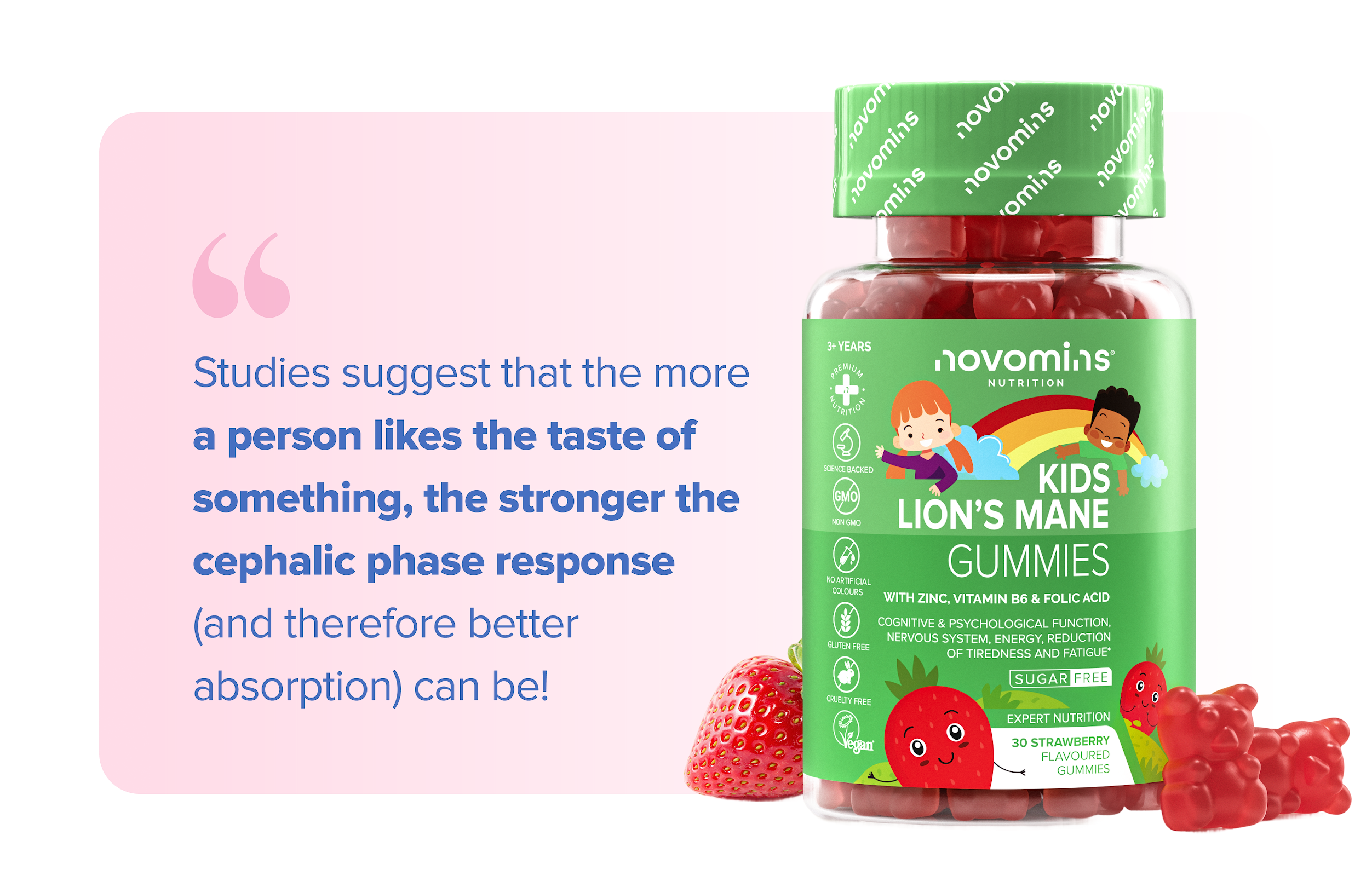
Taste can also influence how the body begins preparing for digestion. When food or supplements are chewed and enjoyed, the body can initiate what is known as the cephalic phase response. This is the early stage of digestion where sensory signals such as taste, smell, and chewing stimulate saliva production and digestive processes, helping the body prepare to absorb nutrients more efficiently.
Chewable formats such as gummies may also allow nutrients to begin dissolving in the mouth. The lining of the mouth contains tiny blood vessels that can absorb certain compounds, a process sometimes referred to as buccal absorption. This means that some nutrients may begin entering the bloodstream during chewing, rather than only after reaching the digestive tract.
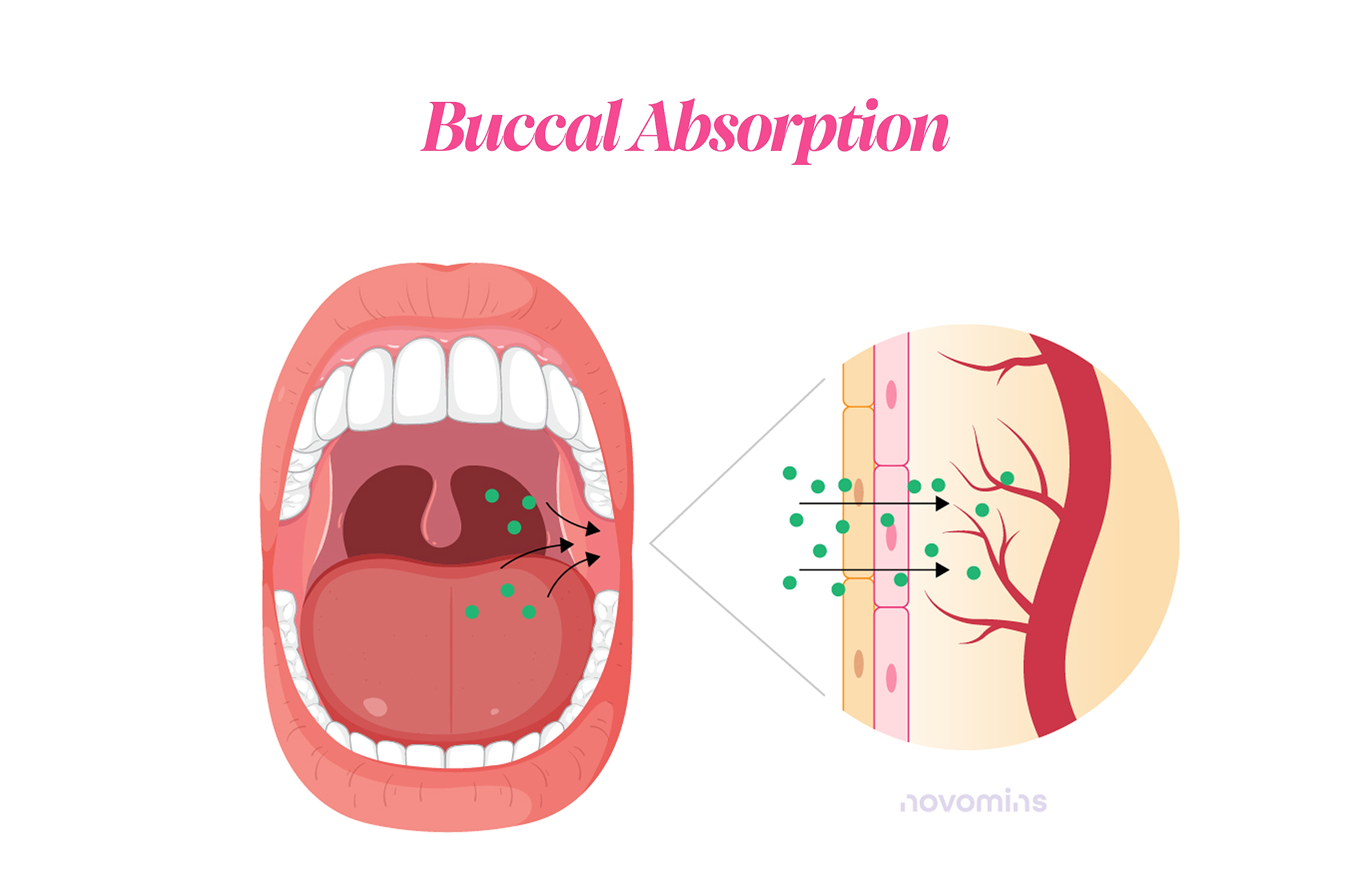
By contrast, traditional tablets must first dissolve in the stomach and pass through the digestive system before nutrients can be absorbed.
For families, the most important factor remains consistency. When a supplement is easy to take and enjoyable for children, it becomes a simple daily habit rather than a daily negotiation. Over time, these small, consistent routines are far more effective than complicated systems that are difficult to maintain.
Supporting Healthy Habits Beyond the Holidays
Easter break can be a natural moment to reset family routines before the next school term begins.
Balanced meals, outdoor play, good sleep routines, and adequate nutrition all work together to support growing bodies and active minds.
Supplements can play a supportive role when used alongside these habits.
Helping Families Keep Nutrition Simple
Supporting your child’s health & wellness does not need to mean complicated routines or a cupboard full of different products.
Choosing a high-quality supplement that is age-appropriate, nutritionally balanced, and easy for your child to take consistently can help simplify daily nutrition.
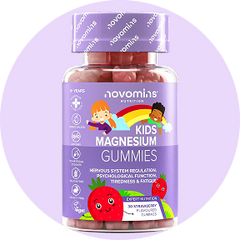
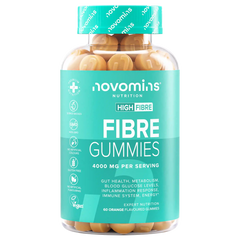
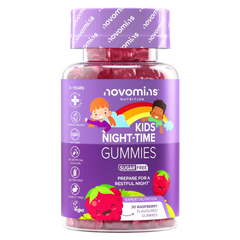
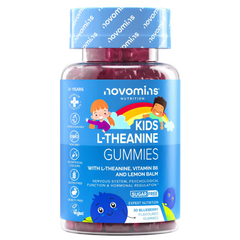
At Novomins, our range of children’s gummies is formulated by nutritional experts and designed to fit easily into family routines, making daily nutrition simple and enjoyable.

Watch the Video
Watch the video below to learn more about the Novomins Kids Range, pairing instructions, and more from our pharmacologist and co-founder, Akil Memishi.
FAQs: Choosing Supplements for Children
What vitamins are most important for children?
Children require a range of vitamins and minerals including but not limited to vitamins A, C, D, B, E vitamins, zinc and iodine to support normal growth and development. Magnesium is also a key mineral as it is involved in over 300 biological processes in the body.
At what age can children take supplements?
Many supplements are suitable from age three and above, although NHS guidance recommends vitamins A, C and D for younger children in certain situations.
Are gummy vitamins safe for children?
When used according to recommended dosage instructions, gummy vitamins can be a convenient option for children who struggle with tablets or liquids.
How long does it take to see benefits from supplements?
Nutritional changes take time. Supplements work gradually when used consistently alongside a healthy diet and lifestyle.
Should my child take a multivitamin every day?
A daily multivitamin can be a simple way to support nutritional intake, particularly during phases of picky eating or limited food variety. It is best used alongside a balanced diet rather than as a replacement for food.
Can children get all their nutrients from food alone?
In an ideal situation, a varied and balanced diet can provide all essential nutrients. However, in reality, factors such as picky eating, busy routines, modern farming practices, soil nutrient depletion, and dietary restrictions can make this more challenging.
What is the difference between a multivitamin and targeted supplements?
A multivitamin provides a broad range of nutrients to support general health, while targeted supplements focus on specific areas such as sleep, digestion, or nutrient gaps. Many parents start with a multivitamin and then layer in targeted additional support.
Do children need supplements if they are fussy eaters?
Fussy eating can sometimes reduce diet variety, which may impact nutrient intake. In these cases, supplements can help support overall nutrition while food habits continue to develop.
Are there any ingredients parents should avoid?
Parents may choose to check for excessive artificial colours & flavourants, and unnecessary fillers. It can also be helpful to check for allergens depending on dietary needs.
Are children’s supplements tested for quality and safety?
Novomins supplements are always third-party tested for purity and potency, meaning independent laboratories verify that the ingredients listed on the label are accurate and meet safety standards. This provides an added layer of reassurance for parents when choosing a product.
Disclaimer
This article is intended for informational purposes only and should not be considered medical advice. Nutritional needs vary between individuals, and parents should consult a qualified healthcare professional, GP, or paediatrician before introducing new supplements to a child’s diet, particularly if the child has underlying health conditions or is taking medication. Supplements should always be used according to the manufacturer’s recommended dosage instructions and should not replace a varied, balanced diet and healthy lifestyle.


